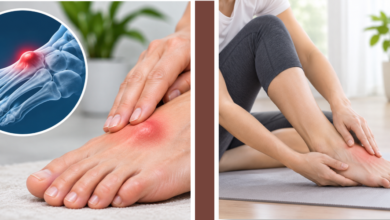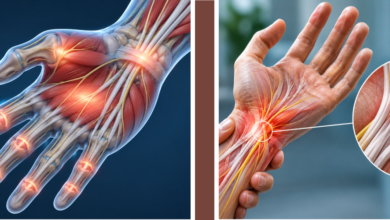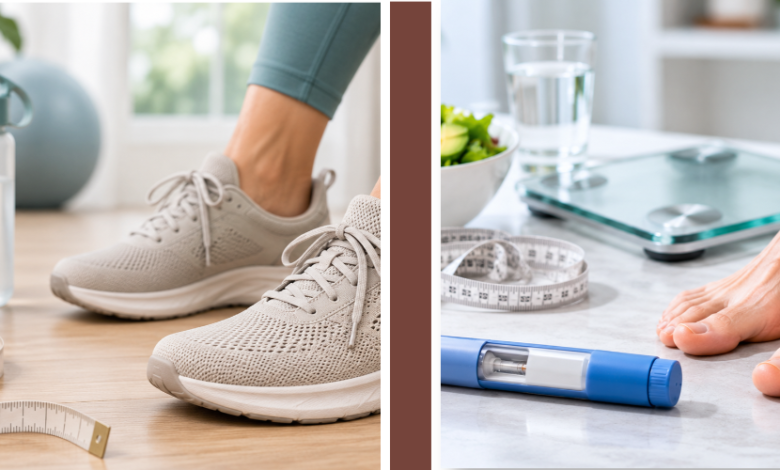
Ozempic feet is a term used to describe changes in foot appearance or comfort that some people notice after significant weight loss while taking Ozempic. These changes may include thinner-looking feet, visible veins, loose skin, and occasional discomfort when walking. Although the term has become popular online, it is not an official medical diagnosis. Understanding the possible causes and following proper foot care habits can help protect your feet during weight loss.
What Are Ozempic Feet?
Ozempic feet refers to changes in the feet that people associate with weight loss while using Ozempic (semaglutide). As body weight decreases, some individuals notice more visible bones, veins, or tendons. Others experience changes in shoe fit or foot comfort. However, research has not established that Ozempic directly causes these changes or damages the feet.
What Causes Ozempic Feet?
Significant weight loss is one possible explanation for changes in foot appearance. When body fat decreases, underlying structures may become more noticeable. Skin elasticity, aging, footwear, and existing medical conditions can also influence how the feet look and feel.
The feet contain specialized fat pads that protect bones and absorb pressure. Although thinning of these pads can cause discomfort, Ozempic-related fat-pad loss has not been established as a direct medication side effect.
Common Signs and Symptoms
The appearance of Ozempic feet varies between individuals. Some people notice cosmetic changes without discomfort, while others develop symptoms that deserve medical attention.
Possible changes include:
- Prominent veins: Veins become more noticeable beneath the skin.
- Thinner-looking feet: Bones and tendons appear more defined.
- Loose skin: Skin around the feet or ankles may appear less firm.
- Heel pain: Discomfort may occur when standing or walking.
- Foot sensitivity: Hard surfaces may feel uncomfortable.
- Changes in shoe fit: Previously comfortable shoes may feel different.
These symptoms are not unique to Ozempic and may have unrelated causes.
How Weight Loss Affects Your Feet
Weight loss can change how pressure is distributed across the feet. A 2015 study published in Gait & Posture, involving 41 adults with obesity, found that modest weight reduction decreased pressure beneath certain parts of the foot.
This suggests that losing excess weight may benefit foot mechanics. However, individual experiences vary, and weight loss does not necessarily resolve existing foot problems.
Are Ozempic Feet a Side Effect?
Ozempic feet is not listed as a recognized common side effect in the FDA’s prescribing information for Ozempic. The medication’s most frequently reported adverse reactions include nausea, vomiting, diarrhea, abdominal pain, and constipation.
While physical changes may accompany substantial weight loss, there is insufficient evidence to classify Ozempic feet as a distinct medical condition caused by semaglutide.
Who May Experience Foot Changes?
People who lose considerable weight may notice changes in foot appearance or footwear fit. Older adults and individuals with existing foot conditions may also experience discomfort during weight management.
Those with diabetes require particular attention because nerve damage and circulation problems can affect foot health. However, no specific group has been scientifically identified as being at increased risk of developing Ozempic feet itself.
Ozempic Feet vs. Other Foot Problems
Not every change in foot comfort is connected to weight loss. Heel fat-pad syndrome, plantar fasciitis, arthritis, and diabetic neuropathy can produce overlapping symptoms.
Heel fat-pad syndrome often causes deep discomfort beneath the heel, particularly on hard surfaces. Plantar fasciitis commonly causes pain during the first steps after resting. Meanwhile, diabetic neuropathy may cause burning, tingling, or numbness. Identifying the actual condition helps determine appropriate treatment.

Best Foot Care Tips
Supportive footwear is one of the simplest ways to maintain foot comfort. Choose shoes with adequate cushioning, a secure fit, and enough room for your toes. If ordinary shoes become uncomfortable, a podiatrist may recommend appropriate insoles.
Daily hygiene is equally important. Wash your feet with warm water, dry them carefully, and apply moisturizer to dry areas. Avoid putting moisturizer between your toes, particularly if you have diabetes.
Check your feet regularly for redness, blisters, cracks, or pressure marks. These small habits can help identify developing problems before they become serious.
How to Prevent Foot Problems
Maintaining a balanced diet and staying physically active can support overall health during weight loss. Adequate protein intake and suitable strength exercises help preserve muscle mass, although they have not been proven to prevent Ozempic feet.
Avoid excessive pressure on painful areas, replace worn-out shoes, and discuss significant changes in weight or foot comfort with your healthcare provider.
Can Ozempic Feet Be Treated?
Treatment depends on the underlying problem. Cosmetic changes may require no medical intervention, while persistent pain deserves professional assessment.
A podiatrist may recommend cushioned footwear, heel cups, custom orthotics, activity adjustments, or physical therapy. For diagnosed fat-pad atrophy, specialized procedures may occasionally be considered.
Importantly, treatment should address the actual cause of discomfort rather than assuming that Ozempic is responsible.
Do Ozempic Feet Go Away?
Some changes in foot appearance may become less noticeable as body weight stabilizes. However, the outcome depends on skin elasticity, age, existing conditions, and the nature of the changes.
True heel fat-pad atrophy may not reverse completely. Nevertheless, appropriate footwear, pressure relief, and professional treatment can often improve comfort and mobility.
When Should You See a Doctor?
Seek medical advice if foot pain persists, walking becomes difficult, or you experience unusual numbness, swelling, or skin changes.
People with diabetes should seek prompt attention for blisters, wounds, redness, or signs of infection. Sudden severe pain, major color changes, or an unusually cold foot requires urgent evaluation.
Do not stop prescribed Ozempic treatment without speaking to your healthcare professional.
Conclusion
Ozempic feet describes changes that some individuals notice during significant weight loss, but it is not an established medical diagnosis. Although thinner-looking feet or discomfort may raise concerns, these changes do not necessarily indicate medication-related damage.
Proper footwear, regular foot inspections, balanced nutrition, and timely medical care can help maintain healthy feet throughout weight management. Persistent symptoms should always be evaluated to identify their true cause.
FAQs
What are the first signs of Ozempic feet?
Some people notice thinner-looking feet, visible veins, loose skin, or changes in shoe fit after losing weight.
Can Ozempic cause foot pain?
Foot pain is not a recognized common direct side effect. Other conditions, including heel disorders or diabetic complications, may explain discomfort.
Does Ozempic make your feet smaller?
Weight loss may change foot dimensions or shoe fit, but Ozempic does not directly shrink the bones of the feet.
Are Ozempic feet permanent?
Some appearance changes may improve. However, lasting structural conditions may require ongoing management.
How can you protect your feet while taking Ozempic?
Wear supportive footwear, maintain good hygiene, inspect your feet regularly, and seek professional advice for persistent symptoms.
Must Read: Bone Spur on Top of Foot: Why It Happens and How to Treat It