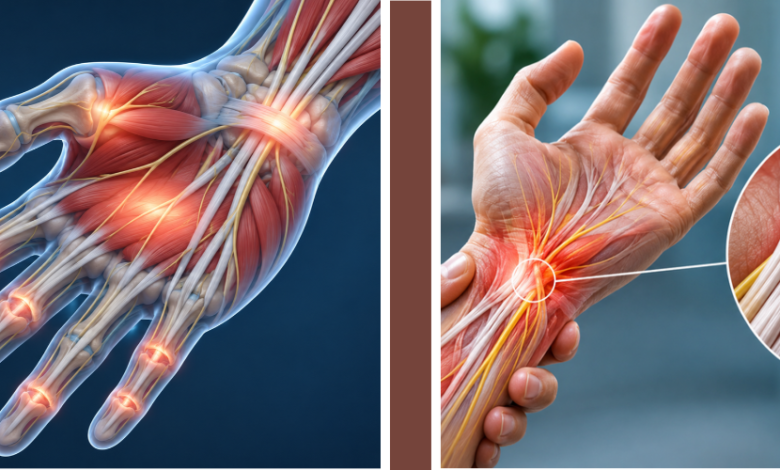
Hand pain can make everyday tasks surprisingly difficult. Opening a jar, typing, holding a phone, or turning a key may become uncomfortable when your fingers, palm, thumb, or wrist hurt. A hand pain identifier can help you describe where the discomfort occurs and recognize symptoms that may point toward different conditions. Understanding those clues is useful, but finding the actual cause sometimes requires a medical examination.
What Is a Hand Pain Identifier?
A hand pain identifier is a symptom guide or interactive tool that helps users explore possible explanations for discomfort in the hand or wrist. Some tools use pictures or three-dimensional hand models to pinpoint the painful area. Others ask about stiffness, swelling, tingling, or recent injuries. These tools offer guidance, not a diagnosis.
How Does It Work?
Start by identifying the exact location of your pain. Next, consider whether it feels sharp, aching, burning, or throbbing. Notice when it appears: during gripping, after waking, at night, or following an injury. Finally, record associated symptoms, including numbness, clicking, weakness, or swelling. These details help distinguish patterns that deserve further investigation.
The Hand and Wrist Institute’s Where Does it Hurt? tool lets users select an arm, rotate a three-dimensional image, mark painful spots, and choose symptoms. It then links to educational articles about possible conditions and treatments.
Common Causes of Hand Pain
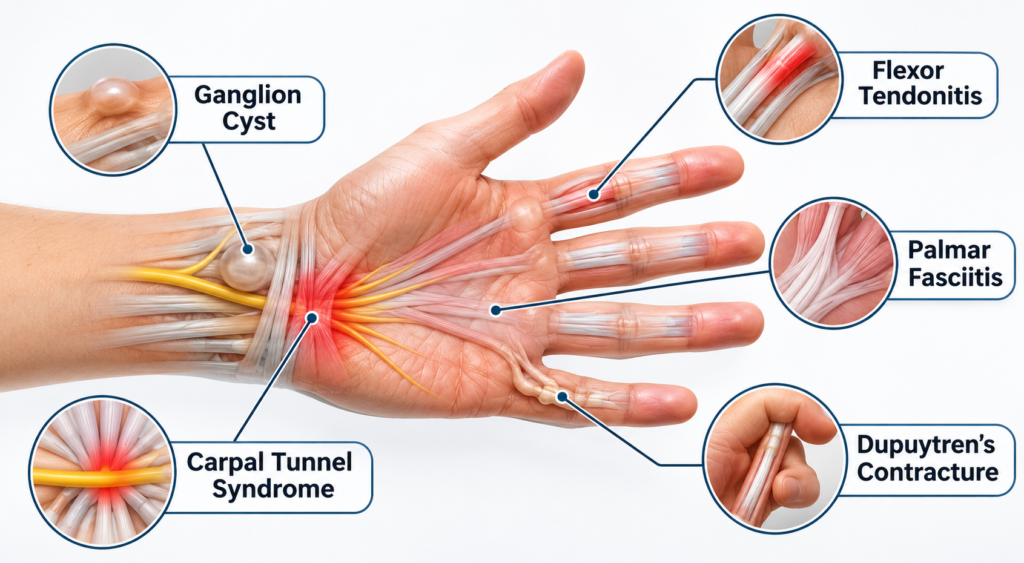
Carpal tunnel syndrome develops when the median nerve is compressed at the wrist. It often causes tingling or numbness in the thumb, index, and middle fingers, sometimes with nighttime pain or a weaker grip.
Arthritis can produce painful, swollen, stiff joints. Osteoarthritis is associated with joint changes over time, while rheumatoid arthritis is an inflammatory condition that may affect multiple joints.
Tendon problems can cause pain during repeated movement or gripping. De Quervain’s tenosynovitis typically affects the thumb side of the wrist. Trigger finger may cause a finger to catch, click, or lock.
Injuries such as sprains and fractures may cause sudden pain, bruising, swelling, or difficulty moving the hand. Nerve problems can also cause burning sensations, altered feeling, or weakness.
Identifying Pain by Location
The location of discomfort provides a helpful clue, although several conditions can affect the same area.
| Pain location | Possible explanations |
|---|---|
| Thumb base | Osteoarthritis, sprain |
| Thumb-side wrist | De Quervain’s tenosynovitis |
| Palm and fingers | Trigger finger, nerve irritation |
| Finger joints | Arthritis, injury |
| Wrist and first three fingers | Carpal tunnel syndrome |
| Back of hand | Tendon irritation, injury, ganglion cyst |
Pain location alone cannot confirm a condition. A clinician may also check movement, sensation, strength, and any history of injury.
Symptoms Worth Noticing
Hand pain may feel dull and persistent, or sharp during certain movements. Swelling, warmth, redness, and morning stiffness can suggest joint or tissue inflammation. Tingling or numbness may indicate nerve involvement, while clicking or locking can occur with certain tendon problems. Tell a clinician if symptoms spread, interrupt sleep, or make objects difficult to hold.
Benefits of a Hand Pain Identifier
A hand pain identifier makes symptoms easier to describe. Instead of saying “my hand hurts,” you can explain which fingers are affected, what triggers the pain, and whether numbness or swelling accompanies it. This information can make medical appointments more productive. It may also help you recognize when self-care is insufficient and further evaluation is needed.
Hand Pain Relief and Treatment
For mild discomfort without signs of serious injury, temporarily reduce activities that aggravate your hand. A cold pack wrapped in a towel may help recent swelling; avoid applying ice directly to your skin. Gentle movement can reduce stiffness once it is comfortable, but do not push through significant pain.
A suitable splint may support certain conditions, particularly at night, although the correct type depends on the problem. A pharmacist or clinician can advise on pain medicine and whether anti-inflammatory treatment is appropriate. Persistent symptoms may require hand therapy, an injection, or another treatment chosen after diagnosis.
When to Seek Medical Help
Seek urgent medical care after a significant injury if your hand looks deformed, changes color, loses feeling, or cannot move normally. Severe pain or a hot, swollen hand accompanied by fever also needs prompt assessment.
Arrange a routine medical appointment if pain keeps returning, interferes with daily activities, or has not improved after about two weeks of appropriate self-care. Persistent tingling, weakness, or reduced sensation also warrants evaluation. People with diabetes should be especially cautious about new hand problems.
Preventing Hand and Wrist Strain
Vary repetitive tasks, take regular movement breaks, and avoid prolonged forceful gripping when possible. Keep wrists in comfortable positions while working and increase demanding activities gradually. Gentle hand movement and appropriate strengthening can support function, but exercises should suit the cause of your symptoms. Protection during sports and manual work can also help prevent injuries.
Conclusion
A hand pain identifier can help you understand whether pain involves a joint, tendon, nerve, or a recent injury. Pay attention to the exact location, timing, and associated symptoms rather than relying on one clue. Practical self-care can help mild cases, while persistent pain or warning signs deserve professional attention.
Meta description: Understand hand pain with a hand pain identifier. Learn common causes, symptoms by location, relief options, and when to seek medical care.
FAQs
What does a hand pain identifier do?
It organizes pain location and symptoms to suggest possible conditions and useful next questions.
Can it diagnose carpal tunnel syndrome?
No. A healthcare professional must assess symptoms and may recommend further testing.
Why does my hand hurt without an injury?
Arthritis, tendon irritation, or nerve compression can cause pain without a recent accident.
Is numbness with hand pain concerning?
Persistent numbness deserves medical attention, especially when accompanied by weakness.
Does hand pain always require treatment?
Mild discomfort may improve with adjusted activity, but severe or persistent symptoms need evaluation.
Must Read: Hedge Fund News: Investment Strategies, Trends, and Insights