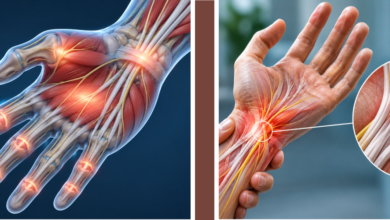
A torn bicep can make simple activities like lifting groceries, carrying bags, or bending your arm difficult. Whether the injury happens during exercise, sports, or daily work, understanding torn bicep recovery time is important for proper healing.
Recovery depends on the severity and location of the tear. While minor injuries may improve within weeks, serious tendon ruptures can require surgery and several months of rehabilitation.
What Is a Torn Bicep?
A torn bicep occurs when the biceps muscle or its connecting tendon becomes partially or completely damaged. The biceps muscle sits at the front of the upper arm and helps bend the elbow and rotate the forearm.
Biceps tendon tears commonly occur near the shoulder or elbow. These injuries may cause pain, weakness, swelling, and difficulty performing everyday activities.
Types of Bicep Tears
Bicep injuries differ according to their location and severity.
A partial tear damages some tendon fibers without completely separating the tendon. A complete tear involves full separation from its attachment.
A proximal tear occurs near the shoulder, while a distal tear develops near the elbow. Distal ruptures often cause greater strength loss and may need surgical treatment.
Torn Bicep Recovery Time
The healing period varies depending on the injury and treatment. A mild muscle injury may improve within several weeks, while partial tendon injuries can take several weeks to months.
For a complete distal tendon rupture treated surgically, returning to strenuous activities often takes four to six months or longer. Recovery is gradual, and individual progress depends on healing and rehabilitation.
| Injury Type | General Recovery Expectations |
|---|---|
| Mild muscle tear | Several weeks |
| Partial tendon tear | Several weeks to months |
| Shoulder tendon rupture | Symptoms may improve over weeks to months |
| Distal tendon surgical repair | Around 4–6 months before demanding activities |
| Return to competitive sports | Often 6 months or longer |
These estimates are general guidelines rather than guaranteed recovery periods.
Common Symptoms
A torn bicep often causes sudden pain around the shoulder or elbow. Some people hear a popping sound when the injury happens.
Other symptoms include bruising, swelling, muscle weakness, and difficulty lifting objects. A noticeable muscle bulge, sometimes called a Popeye deformity, may appear. Even when pain improves, a complete tendon rupture can continue affecting arm strength.
What Causes a Torn Bicep?
Heavy lifting is a common cause of sudden biceps tendon injuries. Attempting to control a falling object or lifting more weight than the arm can support may overload the tendon.
Repetitive movements, sports activities, and age-related tendon degeneration also increase injury risk. Smoking, certain medications, and previous tendon problems may contribute to weakened tendon tissue.
How Is It Diagnosed?
Doctors usually begin by examining the injured arm and asking how the injury happened. They check for swelling, visible deformity, tenderness, and reduced strength.
A physical examination may identify a complete tendon rupture. However, ultrasound or MRI can help confirm the injury and determine its severity. Early diagnosis is particularly important for suspected distal biceps tendon tears.
Treatment Options
Treatment depends on whether the tendon is partially or completely torn and where the injury occurs.
Nonsurgical care may include rest, ice, temporary arm support, appropriate pain medication, and physical therapy. More serious injuries may require surgical repair.
An orthopedic specialist considers the patient’s symptoms, activity requirements, and overall health before recommending the most suitable treatment.
Recovery Without Surgery
Many proximal biceps tendon tears near the shoulder can be managed without surgery. The remaining tendon attachment often allows the arm to maintain useful function.
Treatment focuses on reducing discomfort and gradually restoring movement and strength. However, complete distal ruptures generally cannot reattach naturally. Without surgery, some patients experience lasting weakness, particularly when rotating the forearm.

Surgery Recovery Time
Surgery may be recommended for complete distal biceps tendon ruptures, especially when restoring strength is important for work or sports.
During the operation, the surgeon reattaches the tendon to the bone. Recovery involves protecting the repair, restoring movement, and gradually rebuilding strength.
Heavy lifting and demanding exercise commonly remain restricted for several months after surgery.
Stages of Recovery
Recovery after distal biceps tendon surgery generally follows a gradual rehabilitation schedule.
Weeks 1–2: The focus is protecting the tendon repair and managing swelling.
Weeks 2–6: Carefully controlled movements may begin under professional guidance.
Weeks 6–12: Mobility improves, and selected strengthening exercises may be introduced when permitted.
Months 3–6: Rehabilitation focuses on restoring strength and returning to demanding activities.
Individual treatment protocols may differ.
Exercises During Recovery
Physical therapy plays an important role in restoring arm mobility and strength. A therapist may recommend controlled elbow movements, gentle forearm rotation, grip exercises, and eventually resistance training.
However, biceps curls, stretching, and strengthening should begin only when medically approved. Performing exercises too early after surgery can damage the healing repair and delay recovery.
Factors Affecting Recovery
Several factors influence torn bicep recovery time, including age, injury severity, treatment method, and general physical health.
The location of the tear also matters. Shoulder tendon injuries and elbow tendon ruptures have different recovery requirements.
Following rehabilitation instructions, avoiding smoking, and respecting lifting restrictions can help support recovery and reduce unnecessary complications.
Tips for Safe Recovery
Getting enough rest and following medical advice are important during recovery. Avoid heavy lifting until your healthcare professional approves it.
Use prescribed supports correctly, attend rehabilitation appointments, and maintain balanced nutrition. Adequate sleep and hydration support general health.
Most importantly, increase physical activity gradually rather than rushing back into demanding exercise before the tendon has healed.
Returning to Normal Activities
Returning to work or exercise depends on the demands placed on the injured arm. Desk-based activities may be possible earlier than physically demanding employment.
Athletes and weightlifters generally require additional strengthening before returning to intense exercise.
A 2025 systematic review reported an average return-to-sport time of 6.3 months following distal biceps tendon repair. Individual recovery can vary considerably.
When to See a Doctor
Seek prompt medical attention if you experience a sudden popping sensation, significant bruising, visible muscle deformity, or substantial arm weakness.
Suspected complete distal tendon ruptures require early assessment because delayed treatment can make surgical repair more complicated.
After surgery, worsening pain, fever, wound drainage, or persistent numbness should be reported to your healthcare provider.
Conclusion
Torn bicep recovery time depends on injury severity, location, treatment, and rehabilitation progress. While minor injuries may improve relatively quickly, complete tendon ruptures often require longer recovery periods.
Early diagnosis, appropriate treatment, and gradual rehabilitation help restore movement and strength. Anyone experiencing a suspected biceps rupture should consult a qualified healthcare professional for an accurate diagnosis and personalized recovery plan.
Meta Description: Learn about torn bicep recovery time, symptoms, treatment options, surgery, healing stages, and how to safely regain arm strength.
Medical References:
- American Academy of Orthopaedic Surgeons – Biceps Tendon Tear at the Elbow
- American Academy of Orthopaedic Surgeons – Biceps Tendon Tear at the Shoulder
- Cleveland Clinic – Biceps Tendon Rupture
- PubMed – Return to Sport After Distal Biceps Tendon Repair
Medical disclaimer: This article provides general educational information and does not replace professional medical advice.
FAQs
How long does a torn bicep take to heal?
Minor injuries may improve within weeks. More serious tendon injuries can require several months, particularly after surgery.
Can a torn bicep heal without surgery?
Some partial tears and many shoulder tendon tears can be managed without surgery. Complete distal tendon ruptures generally do not reattach naturally.
What is the recovery time after bicep surgery?
Recovery after distal biceps repair commonly takes four to six months before strenuous activities, sometimes longer.
Can I lift weights after a torn bicep?
Weightlifting may be possible after successful rehabilitation, but heavy exercise requires appropriate medical clearance.
Can a torn bicep cause permanent weakness?
Yes. Untreated complete distal tendon ruptures can cause lasting weakness, especially when rotating the forearm.
Must Read: David Mazouz Age: Everything About His Life and Career