
The tamarindo drink is a refreshing Mexican beverage made from tamarind pulp, water, and sugar. Known as Agua de Tamarindo, this traditional drink has a distinctive sweet-and-sour flavor that makes it particularly enjoyable during hot weather. Its rich taste, natural fruit ingredients, and simple preparation have made it popular in Mexican households, restaurants, and street food markets. Beyond its refreshing qualities, tamarind contains antioxidants and essential minerals. Whether you’re discovering it for the first time or planning to make it at home, this guide covers everything you need to know.
What Is Tamarindo Drink?
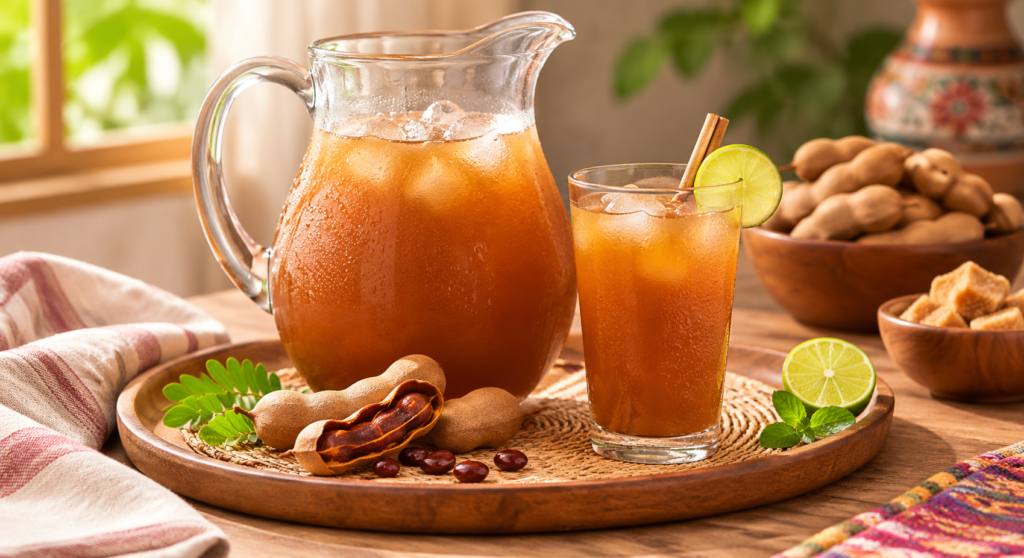
Tamarindo drink is a traditional Mexican agua fresca prepared by extracting the pulp from tamarind pods and mixing it with water and sweetener. The beverage has a naturally tangy flavor and a brown or amber appearance. Unlike carbonated soft drinks, homemade Agua de Tamarindo uses real fruit pulp, allowing you to adjust the concentration and sweetness to your preference.
Origin and History
Tamarind comes from the tropical tree Tamarindus indica, which originated in Africa before spreading to Asia and other regions. The fruit eventually reached the Americas through historical trade and cultural exchanges. In Mexico, tamarind became an important ingredient in beverages, candies, sauces, and traditional dishes. Today, Agua de Tamarindo remains a familiar refreshment alongside other Mexican aguas frescas.
What Does Tamarindo Drink Taste Like?
The flavor of tamarindo drink combines sweetness, tartness, and a slightly fruity richness. Some people compare its refreshing acidity to lemonade, although tamarind has a deeper, more distinctive flavor. The balance depends on the fruit’s ripeness, the amount of pulp, and the sweetener used. When served chilled, the beverage offers a pleasant combination of tangy and sweet notes.
Tamarindo Drink Ingredients
Making a homemade tamarindo drink requires only a few affordable ingredients. Fresh tamarind pods provide the characteristic flavor, while sugar balances the natural acidity. You can also customize the recipe according to your preferences.
- 4 ounces (113 grams) of whole tamarind pods
- 8 cups of water
- ½ cup of sugar, adjusted to taste
- Ice cubes for serving
- Optional fresh lime juice or mint leaves
This recipe makes approximately eight one-cup servings.
How to Make Tamarindo Drink
Start by removing the hard outer shells and stringy fibers from the tamarind pods. Rinse the remaining fruit, then place it in a saucepan with four cups of water. Bring the mixture to a gentle boil and simmer for approximately 15 minutes until the pulp softens.
Allow the mixture to cool enough to handle safely. Mash the softened tamarind to separate the pulp from the seeds. Pour the mixture through a fine-mesh strainer, pressing gently to extract the flavorful liquid. Discard the seeds and remaining fibers.
Add the remaining four cups of water and stir in the sugar until dissolved. Taste the drink and adjust its sweetness or concentration as needed. Refrigerate until cold, then serve over ice for a refreshing homemade Agua de Tamarindo.
Tamarindo Drink Nutrition Facts
Tamarind pulp naturally contains carbohydrates, potassium, magnesium, and small amounts of dietary fiber. According to USDA food composition data, 100 grams of raw tamarind provide approximately 239 calories, 628 milligrams of potassium, and 92 milligrams of magnesium.
However, the nutritional value of a prepared tamarindo drink varies depending on how much pulp remains after straining and how much sugar is added. A heavily sweetened version can contain considerably more calories than one made with little or no added sugar.
Health Benefits of Tamarindo Drink
One notable characteristic of tamarind is its natural antioxidant content. The fruit contains plant compounds, including polyphenols, that researchers study for their antioxidant properties. However, drinking Agua de Tamarindo has not been proven to prevent or treat diseases.
Tamarind also has a history of traditional use for digestive comfort. Although the whole fruit contains fiber, strained tamarindo drink generally provides less. The drink’s water content contributes to daily hydration, while preparing it at home makes it easier to control added sugar and serving sizes.
Is Tamarindo Drink Good for Weight Loss?
Tamarindo drink can fit into a balanced eating plan, but it is not a weight-loss remedy. Its calorie content depends largely on the amount of tamarind and sweetener used. Research has not established that tamarind beverages cause meaningful weight loss. If you prefer a lighter option, reduce the added sugar, dilute the concentrate with water, and enjoy moderate portions.
Possible Side Effects
Although tamarindo drink is generally enjoyed as a food beverage, excessive consumption may cause digestive discomfort in some people. Sweetened versions can also increase daily sugar intake, which matters for people managing blood glucose levels. Anyone with a known tamarind allergy should avoid it. Homemade tamarindo drink is best enjoyed in moderation rather than as a substitute for medical treatment.
Different Ways to Enjoy It
Traditional Agua de Tamarindo tastes delicious on its own, but several variations offer interesting flavors. Fresh lime juice can make the drink noticeably brighter, while mint adds a cooling aroma. Some people prefer a stronger tamarind concentrate for a sharper taste. In South Asia, similar tamarind-based beverages may feature spices such as roasted cumin, creating a different flavor experience.
Tips for the Best Tamarindo Drink
For the best results, choose tamarind pods that contain soft, usable pulp and show no signs of spoilage. Avoid adding all the sugar immediately, since tamarind sweetness varies naturally. Strain carefully for a smoother consistency and use fresh drinking water. Finally, chill the beverage thoroughly before serving, as its flavor becomes especially refreshing when cold.
How to Store Tamarindo Drink
Keep homemade tamarindo drink in a clean, covered pitcher or airtight container inside the refrigerator. For best quality, prepare only what you expect to consume within two to three days. Stir before serving because natural fruit particles may settle at the bottom. Discard the beverage if it develops an unusual smell, visible mold, or signs of fermentation.
Tamarindo Drink vs. Other Mexican Drinks
Tamarindo drink stands apart from other popular Mexican refreshments because of its distinctive tart flavor. Agua de Jamaica, made from hibiscus flowers, offers a floral and fruity taste with a reddish appearance. Horchata, commonly prepared with rice and cinnamon, has a sweeter, creamier character. Tamarindo provides a more pronounced sourness, making it appealing to people who enjoy bold fruit flavors.
Conclusion
The tamarindo drink brings together traditional Mexican flavors, simple ingredients, and a refreshing balance of sweetness and acidity. Its tamarind base provides natural plant compounds, while the homemade recipe allows you to control the amount of added sugar. Whether enjoyed during summer or alongside your favorite Mexican meal, Agua de Tamarindo is an easy beverage worth trying. With just a few ingredients and straightforward preparation, you can bring this familiar Mexican refreshment into your own kitchen.
FAQs
What is tamarindo drink made of?
Tamarindo drink is a traditional Mexican beverage made from tamarind pulp, water, and sugar. It has a naturally sweet-and-sour flavor and is commonly served chilled over ice.
Is tamarindo drink healthy?
Tamarindo drink contains natural plant compounds, including antioxidants, and can help with hydration. However, its nutritional value depends on the ingredients, especially the amount of added sugar.
What does tamarindo drink taste like?
Tamarindo drink has a unique combination of sweet, tangy, and slightly sour flavors. Its refreshing taste resembles lemonade but offers a richer, fruitier character.
Can you drink tamarindo every day?
Yes, most healthy adults can enjoy tamarindo drink regularly in moderate amounts. Choosing a homemade version with less added sugar makes it a better option for everyday refreshment.
Is tamarindo drink good for digestion?
Tamarind has traditionally been used to support digestion and naturally contains dietary fiber. However, strained tamarindo drink contains less fiber, and scientific evidence for its specific digestive benefits remains limited.
Must Read: Kayla Quick: Inside Her Life, Career & Family