High protein desserts are a delicious way to satisfy your sweet cravings while adding more protein to your daily meals. From creamy chocolate mousse to homemade brownies and frozen yogurt, these treats combine familiar flavors with protein-rich ingredients. Many recipes use Greek yogurt, cottage cheese, eggs, or protein powder. Whether you want a quick afternoon snack or a healthier homemade dessert, these 15 recipes offer plenty of easy options.
What Are High Protein Desserts?
High protein desserts are sweet dishes made with ingredients that provide more protein than conventional dessert recipes. Common choices include Greek yogurt, cottage cheese, milk, eggs, nuts, and protein powder. Depending on the recipe, one serving may contain approximately 10–25 grams of protein. However, actual amounts depend on ingredients, portion sizes, and preparation methods.
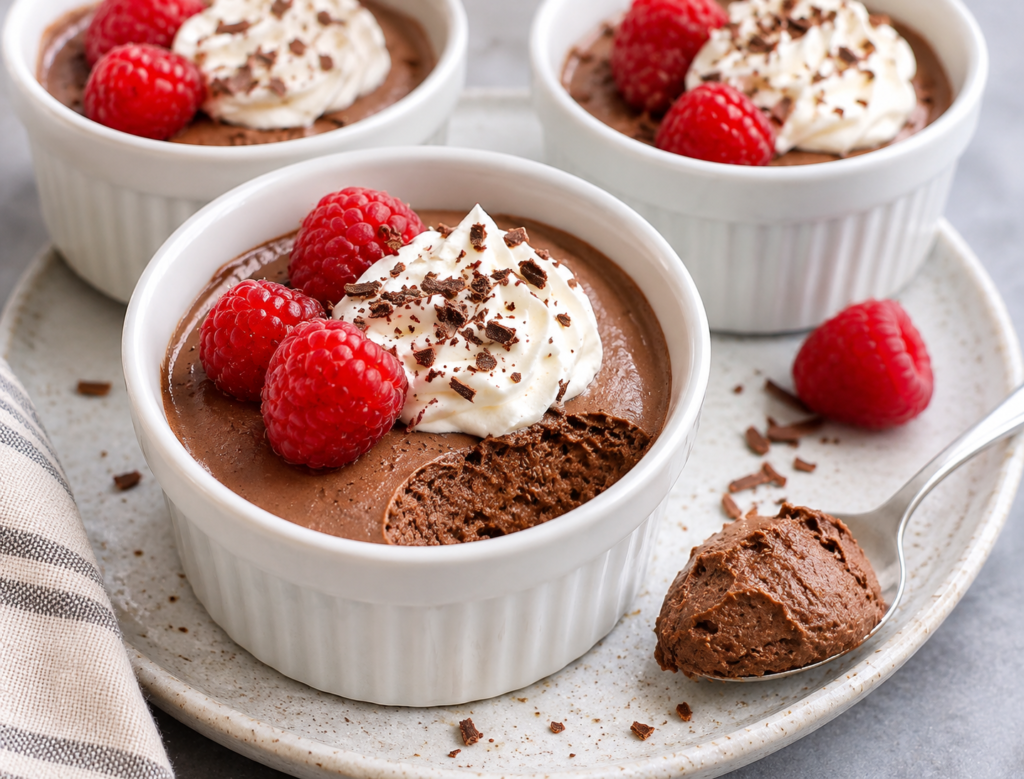
Greek Yogurt Chocolate Mousse
Greek yogurt chocolate mousse is a creamy dessert that takes just minutes to prepare. Combine one cup of plain Greek yogurt with cocoa powder, vanilla extract, and a little honey. Mix until smooth, then refrigerate briefly. Add fresh berries or chocolate shavings before serving. Greek yogurt provides protein while creating a rich, satisfying texture without heavy cream.
High Protein Chocolate Brownies
Protein brownies offer a chocolatey treat with added nutritional value. Mix oat flour, cocoa powder, eggs, Greek yogurt, and a small amount of protein powder. Add milk until the batter reaches a thick, spoonable consistency. Bake at 175°C (350°F) until the center is just set. Avoid overbaking to maintain a soft, fudgy texture.
Cottage Cheese Cheesecake
Cottage cheese cheesecake combines a smooth texture with naturally occurring dairy protein. Blend cottage cheese, eggs, vanilla, and a little sweetener until creamy. Pour the mixture into a small baking dish and bake until the center is nearly set. Refrigerate before serving. Fresh strawberries, blueberries, or lemon zest make excellent toppings without overwhelming its delicate flavor.
Peanut Butter Protein Cookies
Peanut butter protein cookies are a simple option for anyone who enjoys nutty desserts. Combine peanut butter, one egg, oat flour, and a little vanilla protein powder. Shape into small cookies and bake until lightly golden. Allow them to cool before eating. Natural peanut butter adds flavor and healthy fats, while the other ingredients contribute additional protein.
Vanilla Protein Mug Cake
A vanilla protein mug cake is perfect when you want something sweet without preparing an entire cake. Mix protein powder, oat flour, milk, baking powder, and vanilla in a microwave-safe mug. Microwave in short intervals until cooked through. The result is a warm, fluffy dessert that pairs nicely with berries or a spoonful of yogurt.
Strawberry Greek Yogurt Parfait
A strawberry Greek yogurt parfait requires no cooking and works beautifully as a light dessert. Layer plain Greek yogurt with sliced strawberries, a little granola, and chopped almonds. Repeat the layers in a serving glass. The yogurt provides protein, while strawberries contribute vitamin C and natural sweetness. Add the granola just before serving for extra crunch.
Chocolate Protein Chia Pudding
Chocolate chia pudding combines a creamy texture with fiber-rich seeds. Stir chia seeds into high-protein milk along with cocoa powder and your preferred sweetener. Refrigerate for several hours or overnight, stirring once to prevent clumping. The seeds absorb liquid and form a pudding-like consistency. For additional protein, mix in Greek yogurt before serving.
Homemade Protein Ice Cream
Homemade protein ice cream is a refreshing alternative to conventional frozen desserts. Blend cottage cheese or Greek yogurt with frozen bananas, vanilla, and a little milk. Freeze the mixture until firm enough to scoop, stirring occasionally. You can also add cocoa powder, berries, or peanut butter. The protein content varies according to the dairy ingredients used.
Banana Protein Pancakes
Banana protein pancakes can double as breakfast or a sweet afternoon treat. Mash a ripe banana and mix it with eggs, oat flour, and a little protein powder. Cook small portions in a lightly greased pan over medium-low heat. Serve with Greek yogurt, cinnamon, or berries. The banana adds sweetness without requiring much additional sugar.
No-Bake Protein Energy Bites
No-bake protein energy bites are convenient for preparing ahead of time. Mix rolled oats, peanut butter, protein powder, and enough milk or honey to hold everything together. Roll into small balls and refrigerate until firm. Add chopped dark chocolate or seeds for variety. These bites are calorie-dense, so portion size matters, especially when using nut butter.
High Protein Chocolate Pudding
Chocolate protein pudding is a quick dessert made with simple ingredients. Blend cottage cheese or silken tofu with cocoa powder, vanilla, and a little maple syrup until completely smooth. Refrigerate before serving for a thicker consistency. Cottage cheese creates a dairy-based version, while tofu offers a plant-based alternative. Both provide protein without needing traditional pudding mixes.
Blueberry Protein Muffins
Blueberry protein muffins are soft, fruity treats that work well for meal preparation. Combine oat flour, eggs, Greek yogurt, baking powder, and fresh blueberries. A little vanilla and honey can enhance the flavor. Spoon the batter into muffin cups and bake until cooked through. Greek yogurt helps maintain moisture, while blueberries provide natural sweetness and color.
Frozen Yogurt Berry Bark
Frozen yogurt berry bark is one of the easiest high protein desserts to prepare. Spread thick Greek yogurt across a parchment-lined tray and sprinkle with strawberries, blueberries, and chopped nuts. Freeze until solid, then break into pieces. Store the bark in an airtight freezer-safe container. It makes a refreshing snack during warmer weather and requires no baking.
High Protein Cinnamon Rolls
High protein cinnamon rolls can be prepared using a simple Greek yogurt dough. Combine self-rising flour with thick Greek yogurt, knead gently, and roll into a rectangle. Sprinkle with cinnamon and a little brown sugar, then roll and slice. Bake until cooked through. Finish with a light frosting made from Greek yogurt, vanilla, and powdered sugar.
Almond Butter Protein Bars
Almond butter protein bars are ideal for a homemade sweet snack. Mix almond butter, oats, protein powder, and a small amount of maple syrup. Press firmly into a lined container and refrigerate until set. Slice into bars and drizzle with melted dark chocolate if desired. Store refrigerated and adjust portions according to your nutritional needs.
Best Ingredients for High Protein Desserts
The best protein-rich ingredients depend on the dessert you’re preparing. Greek yogurt and cottage cheese create creamy textures, while eggs provide structure in baked recipes. Whey or plant-based protein powders work well in cakes and brownies. Oats, nuts, seeds, and soy products also contribute protein and other nutrients, making homemade recipes more versatile.
Benefits of High Protein Desserts
High protein desserts can contribute to muscle maintenance, recovery, and daily protein requirements. Protein also helps promote fullness, making these desserts a satisfying option between meals. Recipes prepared with yogurt, fruit, and seeds may provide calcium, fiber, and other nutrients. However, their health benefits depend on total calories, added sugar, and ingredient quality.
High Protein Desserts Without Protein Powder
You don’t need protein powder to create satisfying desserts. Greek yogurt parfaits, cottage cheese cheesecake, tofu chocolate mousse, and egg-based custards naturally contain protein. Using high-protein dairy or soy products can increase nutritional value without changing the flavor dramatically. These ingredients are particularly helpful for people who prefer making desserts with familiar, everyday foods.
Tips for Better Results
Start with ingredients that suit your recipe rather than adding large amounts of protein powder. Excess powder can make cakes dry and puddings gritty. Use enough liquid to maintain moisture and avoid overbaking. For no-bake desserts, allow sufficient refrigeration time. Fresh fruit, cocoa, cinnamon, and vanilla improve flavor without requiring excessive added sugar.
Common Mistakes to Avoid
A dessert containing protein isn’t automatically healthy. Large portions, excessive sweeteners, and calorie-dense toppings can significantly change its nutritional value. Another common mistake is substituting protein powder directly for regular flour, which may affect texture. Measure ingredients carefully and evaluate the complete nutritional profile rather than focusing exclusively on protein content.
Conclusion
High protein desserts make it easier to enjoy homemade sweet treats while contributing to daily protein intake. These 15 recipes offer something for everyone, including brownies, cheesecake, puddings, cookies, and frozen treats. Choose nutritious ingredients, adjust sweetness to your preference, and experiment with different flavors. With thoughtful preparation, dessert can be both enjoyable and a useful part of a balanced eating routine.
FAQs
What desserts are naturally high in protein?
Greek yogurt parfaits, cottage cheese cheesecake, egg custards, and silken tofu chocolate mousse are naturally protein-rich options.
Can I make high protein desserts without protein powder?
Yes. Greek yogurt, cottage cheese, eggs, milk, and soy products can provide protein without supplements.
Are high protein desserts good for weight loss?
They can support a weight-management diet by promoting fullness, provided overall calories and portion sizes are appropriate.
How much protein should a healthy dessert contain?
There is no universal requirement. Around 10–20 grams per serving can be a practical target, depending on individual dietary needs.
Can I eat high protein desserts every day?
Yes. They can be enjoyed regularly as part of a balanced diet that includes vegetables, fruits, whole grains, and other protein sources.
Must Read: How to Soften Leather: A Practical Care Guide