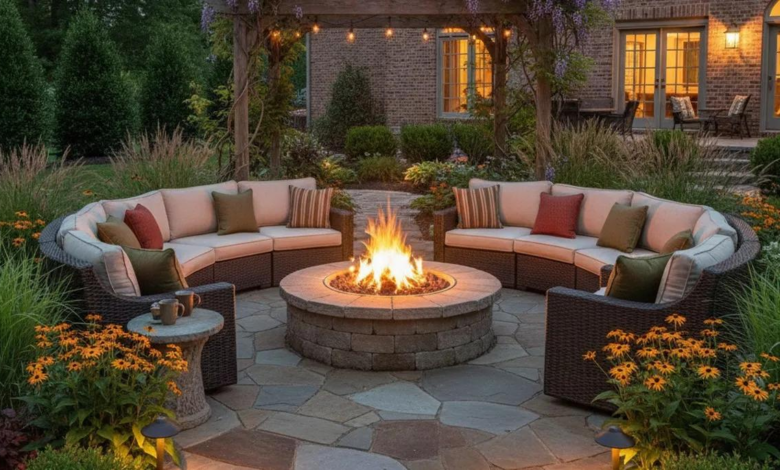
A well-designed outdoor living area can turn an ordinary backyard into one of the most enjoyable parts of a home. It provides somewhere to relax after work, entertain friends, spend time with family and enjoy fresh air without having to leave the property.
Among the many features homeowners consider when improving their gardens, a fire pit can become a particularly attractive centrepiece. It creates a natural gathering point, adds warmth during cooler evenings and gives outdoor spaces a welcoming atmosphere.
However, creating a successful fire pit area involves more than choosing an attractive design. Homeowners need to think about positioning, seating, lighting, suitable fuel, storage and safety. With the right planning, these elements can work together to create a practical space that can be enjoyed throughout the year.
Start With a Clear Outdoor Design
Before purchasing furniture or installing a fire pit, consider how the outdoor area will be used.
Some homeowners want a quiet corner for relaxing, while others need enough space to accommodate family gatherings and larger groups. The intended use should influence the layout, size and features of the space.
Begin by identifying the most suitable area of the garden. Look for a relatively level surface with enough room for seating and safe movement around the fire feature.
Consider nearby doors, windows, trees, fences and outdoor structures. A fire pit should be positioned according to its manufacturer’s clearance requirements and applicable local regulations.
It is also useful to consider how people will move between the house, seating area and garden. A clear pathway makes the space more convenient and helps prevent guests from walking too close to the fire.
Choosing the Right Fire Pit
Fire pits are available in many different shapes, materials and designs. Some are simple portable metal bowls, while others are permanent masonry features built into landscaped gardens.
The best choice depends on the available space, budget and intended use.
Portable Fire Pits
Portable models offer flexibility because they can be moved or stored when they are not required, provided they are handled safely and are completely cool.
They can suit smaller gardens, patios and outdoor areas where a permanent installation is not practical.
Before purchasing one, check its construction, stability and recommended fuel type. The surrounding surface must also be suitable for the heat generated by the appliance.
Permanent Fire Pit Installations
A built-in fire pit can become a long-term feature of a landscaped garden.
Stone, brick and other suitable masonry materials can create a design that complements the surrounding property.
Permanent installations require careful planning, particularly regarding foundations, drainage, ventilation and clearance from combustible materials.
Professional advice may be appropriate when construction involves structural work or permanent outdoor heating equipment.
Wood-Burning Fire Pits
Wood-burning models provide the traditional appearance and atmosphere of a natural fire.
They require suitable firewood, regular cleaning and responsible supervision. Owners should also consider smoke direction, ash removal and local restrictions before deciding where to install one.
A good design should make it easy to manage the fire without compromising the comfort of people sitting nearby.
Creating a Comfortable Seating Arrangement
Seating is one of the most important parts of an outdoor entertainment area.
A fire pit naturally encourages people to gather around it, so the arrangement should allow everyone to enjoy the space comfortably.
For smaller gardens, a few outdoor chairs may be sufficient. Larger areas can accommodate benches, weather-resistant sofas or a combination of seating options.
Leave enough space between chairs and the fire pit to maintain the required safety clearance. Avoid placing cushions, blankets and other combustible materials too close to flames or hot surfaces.
Consider including a small side table where guests can place drinks and snacks. This simple addition can make the area more practical during longer gatherings.
Choose furniture made for outdoor conditions. Materials that tolerate sunlight, moisture and temperature changes generally require less maintenance than indoor furniture used outside.
Selecting Firewood for Outdoor Fires
Fuel selection has a significant influence on the experience of using a wood-burning fire pit.
Different hardwoods have different burning characteristics. Some are valued for their heat output, while others offer an economical option for general outdoor use.
Seasoned timber is particularly important. Properly dried firewood is generally easier to light and maintain than freshly cut wood, which can contain substantial moisture.
JJ’s Firewood offers several products for customers with different outdoor heating requirements.
Jarrah Only is a premium option made from 100% Jarrah hardwood. It is dense, slow-burning and produces long-lasting coals.
Jarrah Bush Mix combines Jarrah with selected Western Australian hardwoods such as Sheoak, Karri, Marri, Blackbutt and Banksia, depending on seasonal supply.
Budget Burner is primarily made from Stringybark and may include other seasoned hardwoods. The supplier identifies it as an economical option for backyard fire pits, camping and general outdoor fires.
Homeowners comparing local suppliers can explore firewood perth to review the available products and delivery options.
Why Jarrah Is Worth Considering
Jarrah is a recognised Western Australian hardwood with a reputation for density and durability.
Its burning characteristics make it attractive to people who want sustained heat and a substantial bed of glowing coals.
For an outdoor fire pit, these characteristics can be useful during longer gatherings when the fire needs to be maintained over an extended period.
However, the suitability of any timber depends on the fire pit’s design and manufacturer’s instructions. Some outdoor appliances have specific fuel requirements.
Homeowners interested in premium hardwood can explore jarrah firewood and compare it with other available options before ordering.
Regardless of the selected variety, use only clean, untreated firewood intended for burning. Painted timber, treated construction wood and household waste are unsuitable fuels.
Add Lighting to Improve the Atmosphere
Outdoor lighting can make a fire pit area more attractive and easier to use after sunset.
The fire itself provides a natural focal point, but additional lighting helps people move around safely.
Consider using low-level pathway lights to highlight walking routes between the house and garden. Wall-mounted lights or suitable outdoor fixtures can provide general illumination without making the space feel overly bright.
Solar garden lights are another option for areas where installing electrical wiring would be inconvenient.
Lighting should be positioned carefully so it does not interfere with the fire or create glare for people sitting around it.
A balanced arrangement allows the fire to remain the central visual feature while ensuring that seating and pathways remain visible.
Organise the Surrounding Landscaping
Landscaping can help connect the fire pit with the rest of the garden.
Decorative stone, suitable paving and well-planned planting can create a defined outdoor entertainment zone.
A paved surface can provide a stable foundation for outdoor furniture and help separate the seating area from lawns or garden beds.
However, all materials close to the fire must be suitable for the expected temperatures. Some decorative surfaces may crack, discolour or become damaged when exposed to intense heat.
Plants should also be positioned with care. Avoid placing dry vegetation, overhanging branches or combustible garden materials close to the fire.
For homeowners who want a more structured appearance, low garden borders can help define the seating area without making it feel enclosed.
Create a Practical Firewood Storage Area
A fire pit is more convenient when fuel is stored nearby.
A small firewood rack can keep logs organised and make it easier to access the next piece without leaving the entertainment area.
Choose a location that is protected from excessive rain but allows good airflow around the timber.
Firewood should be raised off the ground to reduce exposure to damp surfaces. A roof or suitable cover can protect the upper surface while leaving the sides open for ventilation.
Keep the storage rack at a safe distance from the fire pit, outdoor heaters and other ignition sources.
For larger gardens, a dedicated storage corner can also help keep loose timber away from seating, pathways and decorative landscaping.
Plan the Right Firewood Quantity
The amount of firewood required depends on how frequently the fire pit is used, how long gatherings usually last and the characteristics of the appliance.
A household that lights a fire occasionally may only need a modest supply. Families who regularly entertain guests may prefer a larger quantity.
It is useful to estimate consumption over several evenings before placing a bulk order.
JJ’s Firewood offers different delivery sizes, measured by front-end loader scoops rather than relying solely on weight. Available options include small trailer loads and larger truck deliveries, with approximate quantities ranging from half a tonne to around four tonnes.
Bagged firewood is also available for customers who prefer smaller quantities that are easier to handle.
Remember that approximate timber weights can vary according to moisture content. The number of scoops provides a more consistent way of measuring loose loads.
Make Outdoor Entertaining More Convenient
Once the main fire pit area is established, a few additional features can make it more enjoyable.
A weather-resistant storage box can hold outdoor cushions and accessories when they are not in use.
A small serving table can provide a practical space for refreshments. For larger gardens, an outdoor dining area nearby can create a natural connection between cooking and relaxation.
Some homeowners also choose to include an outdoor kitchen or pizza oven. These features should be planned as separate cooking zones, with suitable clearance and fuel arrangements.
The aim is to create a layout that feels connected without overcrowding the garden.
Keep the design simple enough that the area remains easy to clean and maintain.
Maintaining the Fire Pit Throughout the Year
Regular maintenance helps keep an outdoor fire pit in suitable condition.
After each use, allow the fire to extinguish completely and the appliance to cool before removing ash or cleaning the surrounding area.
Inspect the fire pit periodically for corrosion, cracks, loose components or other signs of deterioration.
Portable models should be stored according to the manufacturer’s instructions when not in use.
Permanent installations may require additional attention to drainage, masonry and surrounding surfaces.
Firewood storage should also be checked after heavy rainfall to ensure that the supply remains protected.
These small maintenance tasks help preserve the appearance and functionality of the outdoor space.
Important Outdoor Fire Safety Considerations
A fire pit should always be operated responsibly.
Check local fire regulations, seasonal restrictions and any applicable fire bans before lighting an outdoor fire.
Use the fire pit only in an approved location and follow the manufacturer’s instructions regarding fuel and operation.
Maintain adequate clearance from buildings, fences, trees, furniture and other combustible materials.
Never leave a fire unattended, even for a short period. Keep children and pets at a safe distance and have suitable fire-control equipment available.
Avoid burning waste, treated wood or other unsuitable materials. Strong winds can carry sparks and embers, so fires should not be used when conditions make them unsafe.
Before leaving the area, make sure the fire is fully extinguished and the remaining embers are no longer hot.
Conclusion
A thoughtfully designed fire pit area can make a backyard more welcoming and provide a practical space for outdoor entertaining.
The most successful designs combine comfortable seating, suitable landscaping, effective lighting and a convenient firewood storage arrangement.
Choosing seasoned hardwood is another important part of the process. Jarrah offers dense timber and long-lasting coals, while mixed hardwood and budget options provide alternatives for different requirements.
By planning the layout carefully, maintaining the equipment and following local fire safety requirements, homeowners can create an outdoor living space that is both attractive and enjoyable.