

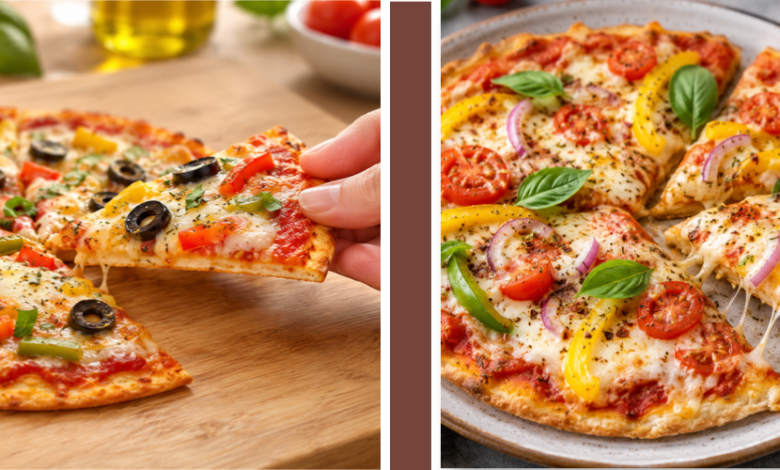
A low calorie pizza crust makes homemade pizza easier to fit into a balanced diet without giving up the familiar taste of freshly baked dough. With a few everyday ingredients, you can prepare a soft, slightly crispy base without yeast or hours of rising time. This simple recipe is ideal for quick lunches, weeknight dinners, or anyone who wants more control over their pizza ingredients.
What Is Low Calorie Pizza Crust?
Low calorie pizza crust is a lighter alternative to traditional pizza dough. It usually contains fewer ingredients, less oil, or a smaller amount of flour than a typical thick crust. Some recipes use Greek yogurt, cauliflower, zucchini, or whole-wheat flour to create different textures and nutritional profiles.
The main goal is to enjoy homemade pizza while managing portion sizes and overall calorie intake.
Why Choose a Low Calorie Pizza Crust?
One advantage of homemade pizza crust is having control over the ingredients. You can adjust its thickness, choose lighter toppings, and avoid unnecessary additions.
A yogurt-based dough is particularly convenient because it requires no yeast or lengthy preparation. It also provides some protein and creates a tender texture. However, the nutritional benefits depend on the entire pizza, including its cheese, sauces, and toppings.
Ingredients for Low Calorie Pizza Crust
This four-ingredient recipe produces one approximately 8–10-inch pizza crust. It follows the basic proportions published by Weight Loss With Veera.
- 75 g self-raising flour: Creates the dough’s structure and helps it rise without yeast.
- 70 g fat-free Greek yogurt: Adds moisture, protein, and softness.
- 1 teaspoon olive oil: Helps create a tender, flexible crust.
- A pinch of salt: Improves the overall flavor.
Keep approximately 5 g of additional flour available for rolling.
If self-raising flour is unavailable, use plain flour with ½ teaspoon baking powder and a small pinch of salt. The texture may vary slightly.
How to Make Low Calorie Pizza Crust
Making this homemade pizza crust takes approximately 25 minutes, including preparation and baking.
Step 1: Prepare the ingredients. Preheat your oven to 200°C (392°F). Measure the flour, yogurt, olive oil, and salt. Line a baking tray with parchment paper.
Step 2: Mix the dough. Combine everything in a bowl until a soft dough forms. Mix gently until the ingredients come together.
Step 3: Shape the crust. Transfer the dough onto a lightly floured surface. Roll it into an 8–10-inch circle, keeping the thickness relatively even.
Step 4: Add toppings. Place the dough on your prepared baking tray. Spread a thin layer of tomato sauce and add your preferred cheese and vegetables.
Step 5: Bake the pizza. Bake for approximately 10 minutes, or until the crust is cooked through, the edges are golden, and the cheese has melted. Thicker crusts may need additional time.
Allow the pizza to cool briefly before slicing.
Best Ingredients for a Healthier Pizza Crust
Greek yogurt is particularly useful because it adds moisture without requiring large amounts of oil. Self-raising flour provides a simple base, while a little olive oil improves texture.
Whole-wheat flour offers additional fiber, although replacing regular flour may require adjusting the yogurt quantity. Vegetable-based crusts are another option, but ingredients such as cheese and eggs can significantly affect their calorie content.
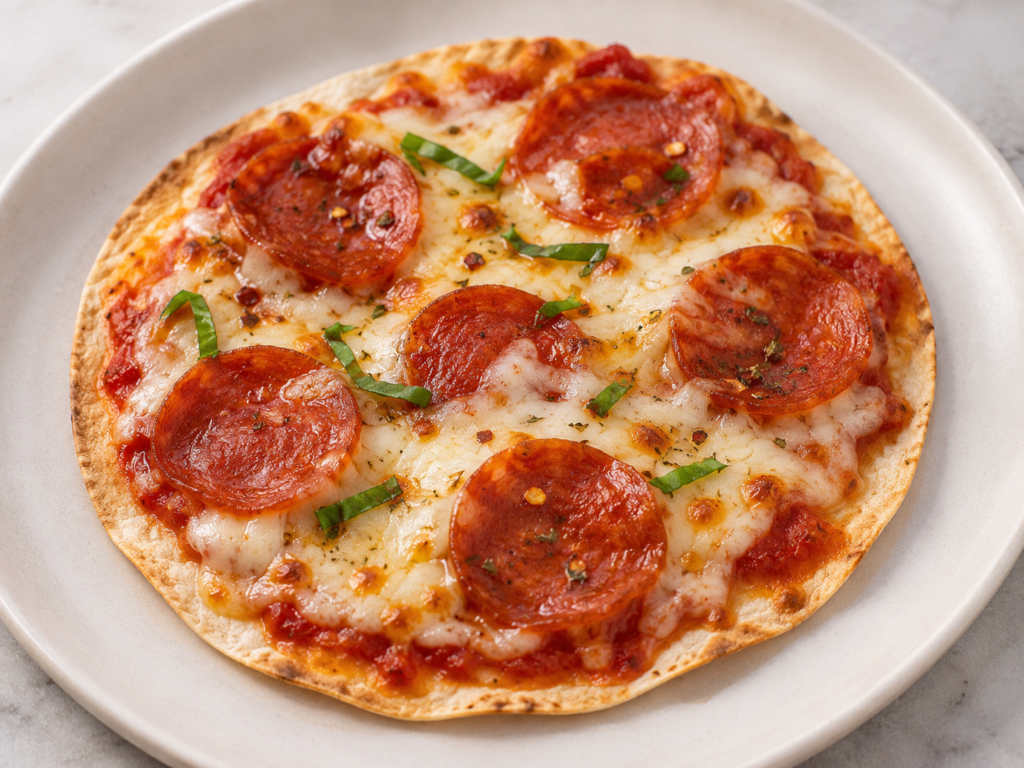
Low Calorie Pizza Crust Nutrition Facts
The reference recipe from Weight Loss With Veera reports approximately 346 calories for one entire 8–10-inch crust, before toppings.
| Nutrient | Amount |
|---|---|
| Calories | 346 kcal |
| Carbohydrates | 58.3 g |
| Protein | 15.1 g |
| Total fat | 5.5 g |
| Saturated fat | 0.8 g |
| Fiber | 3 g |
| Sugar | 2.7 g |
| Sodium | 436 mg |
These are published estimates. Actual nutrition depends on the flour, yogurt brand, ingredient measurements, and additional toppings.
Tips for Making a Crispy Low Calorie Pizza Crust
A crisp crust depends on the dough’s moisture, thickness, and baking conditions. Rolling it thinner usually produces firmer edges, while excess yogurt can make the center soft.
Avoid overloading your pizza with watery vegetables or sauce. For additional crispness, pre-bake the plain crust for three to four minutes before adding toppings, then continue baking until fully cooked. A thoroughly preheated oven also helps.
Common Mistakes to Avoid
Adding too much flour can create a dry, tough crust, while excessive yogurt makes the dough difficult to shape. Measure ingredients carefully and add extra flour only when necessary.
Another mistake is using too many toppings. Heavy layers can prevent moisture from escaping and leave the middle soggy.
Always bake the dough completely. Raw flour can contain harmful bacteria, so uncooked pizza dough should never be tasted.
Best Low Calorie Pizza Toppings
Choosing suitable toppings can make homemade pizza both flavorful and satisfying.
- Vegetables: Mushrooms, spinach, peppers, onions, and tomatoes.
- Lean proteins: Cooked chicken breast, turkey, or tuna.
- Cheese: Part-skim mozzarella or reduced-fat cheese.
- Sauces: Plain tomato sauce with garlic and herbs.
- Seasonings: Basil, oregano, chili flakes, and black pepper.
Use moderate amounts of cheese and oil to keep the overall calorie count manageable.
How to Store and Reheat Pizza Crust
Store leftover cooked pizza in an airtight container in the refrigerator for three to four days. For longer storage, freeze it for up to one or two months for best quality.
Reheat slices in an oven or skillet until thoroughly hot. This helps restore their crispness better than microwaving.
You can also freeze a fully baked, cooled plain crust and add fresh toppings when needed.
Final Thoughts
Making a low calorie pizza crust at home is a practical way to enjoy pizza with greater control over ingredients and portions. This simple yogurt-based recipe requires minimal preparation and works with many toppings.
For the best results, measure the dough ingredients carefully, avoid excessive moisture, and bake until the crust is fully cooked. Small adjustments can help create a pizza that suits both your taste and nutritional preferences.
FAQs
What is the lowest calorie pizza crust?
Thin tortilla bases and certain vegetable-based crusts can be relatively low in calories. However, the lowest-calorie choice depends on the recipe, serving size, and added ingredients.
Can I make low calorie pizza crust without flour?
Yes. Cauliflower or zucchini can replace traditional flour, although these recipes usually require eggs, cheese, or another binding ingredient.
Is cauliflower pizza crust healthier?
Cauliflower crust can increase vegetable intake and may contain fewer carbohydrates. However, some packaged versions contain substantial cheese, oil, or starch, so check their nutrition labels.
How many calories are in homemade low calorie pizza crust?
The yogurt-based recipe discussed here contains approximately 346 calories for the entire crust. Other recipes may have significantly different calorie counts.
Can I freeze homemade pizza crust?
Yes. Cool the baked crust completely, wrap it securely, and freeze it. Reheat thoroughly before serving.
Must Read: Acrisure IPO: Is the Insurance Giant Preparing to Go Public?
