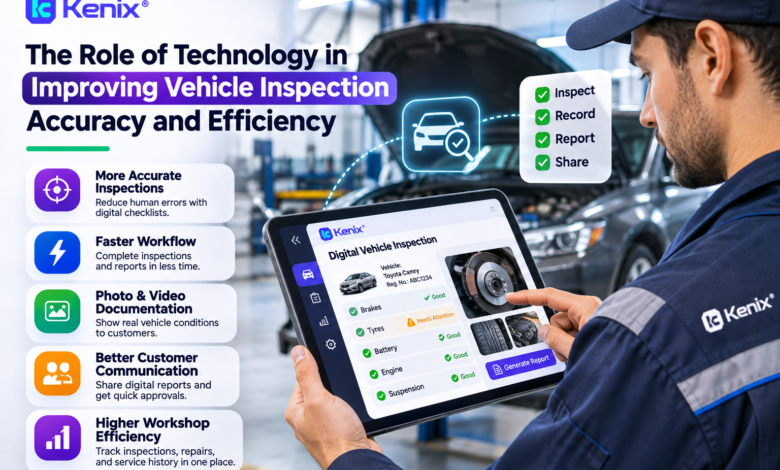
Vehicle inspections play an important role in maintaining road safety, identifying mechanical problems, and ensuring vehicles remain in good working condition. For auto repair shops and automotive service centres, accurate inspections help mechanics identify potential issues and recommend the right maintenance or repair work.
However, traditional inspection methods often involve paper-based checklists, handwritten notes, and manual reporting. These processes can take time, create documentation errors, and make it difficult to share inspection findings with customers.
Modern automotive technology is changing how workshops manage vehicle inspections. Digital tools, automated reporting, mobile applications, and image-based documentation help mechanics complete inspections more efficiently while improving communication with customers. Digital vehicle inspection software is becoming an important part of this transformation, helping automotive businesses create more organised and transparent inspection processes.
1. Reducing Human Errors During Vehicle Inspections
Manual vehicle inspections depend heavily on handwritten notes and paper-based checklists. When technicians handle multiple vehicles throughout the day, they may accidentally overlook certain inspection points or record incorrect information.
Digital inspection systems help reduce these risks by providing structured inspection checklists.
Technicians can follow predefined inspection steps and record the condition of different vehicle components, including:
- Brakes and brake pads.
- Tyres and wheel alignment.
- Engine and transmission components.
- Battery and electrical systems.
- Suspension and steering.
- Lights and safety equipment.
A standardised inspection process helps ensure that technicians follow the same procedures for every vehicle. It also makes it easier for workshop managers to review completed inspections and identify missing information.
2. Improving Inspection Speed With Mobile Technology
Time management is important for automotive workshops. Delays during inspections can affect repair schedules, customer appointments, and overall workshop productivity.
Mobile inspection applications allow technicians to access digital checklists directly from smartphones or tablets.
Instead of returning to an office to complete paperwork, mechanics can record inspection results while examining the vehicle.
They can add observations, select component conditions, upload photographs, and submit reports through a single platform.
This reduces administrative work and allows technicians to spend more time on vehicle servicing and repairs.
For workshops handling multiple vehicles daily, mobile inspection technology can make everyday operations more organised.
3. Using Photos and Videos to Improve Inspection Transparency
One common challenge for automotive businesses is explaining technical problems to customers. A mechanic may identify worn brake pads, damaged tyres, or an oil leak, but customers might find it difficult to understand the issue through a verbal explanation alone.
Digital inspection tools help solve this problem through photo and video documentation.
Technicians can capture images of damaged or worn components and attach them to inspection reports. Customers can then review the actual condition of their vehicles before approving additional repair work.
This approach offers several advantages:
- Makes technical problems easier to understand.
- Provides visual evidence of vehicle conditions.
- Helps customers make informed repair decisions.
- Reduces misunderstandings between customers and mechanics.
- Improves transparency throughout the service process.
Visual documentation can also help workshops maintain records of vehicle conditions for future reference.
4. Creating Accurate Digital Inspection Reports
Inspection reports help workshops communicate findings and recommend necessary repairs. However, manually preparing these documents can take considerable time.
Digital vehicle inspection software allows technicians to generate structured reports using information collected during inspections.
These reports can include vehicle details, inspection results, component conditions, photographs, technician observations, and recommended repairs.
Depending on the platform, workshops can also organise inspection findings into categories such as good condition, needs attention, and requires immediate repair.
Customers can receive these reports digitally, making it easier to review recommendations and understand the work required.
Digital documentation also helps businesses maintain organised vehicle service histories, which can be useful during future visits.
5. Improving Communication Between Mechanics and Customers
Clear communication is essential for building customer trust. Customers want to understand what is wrong with their vehicles, how much repairs may cost, and which issues require immediate attention.
Digital inspection systems make this communication easier by allowing workshops to share inspection findings directly with customers.
For example, after inspecting a vehicle, a technician can upload photographs of worn tyres and add a recommendation for replacement. The service advisor can then share the report with the customer and discuss the next steps.
Some systems also support digital approval workflows, allowing customers to review repair recommendations and approve services remotely.
This reduces unnecessary back-and-forth communication and helps workshops move forward with authorised repairs more efficiently.
6. Supporting Preventive Vehicle Maintenance
Preventive maintenance helps vehicle owners identify potential problems before they develop into more expensive repairs.
Digital inspection records make it easier for workshops to monitor vehicle conditions over multiple visits.
For example, if a technician identifies moderate tyre wear during one inspection, the workshop can record that information and review it during the next service appointment.
Over time, these records help technicians understand maintenance patterns and identify components that may require attention.
Businesses can also use historical inspection information to provide more relevant maintenance recommendations.
This supports better vehicle maintenance planning and helps customers make informed decisions about their vehicles.
7. Helping Workshop Managers Improve Productivity
Technology also gives workshop managers better visibility into inspection activities.
Instead of collecting paper reports from different technicians, managers can access digital records through a centralised system.
Depending on the software, they may be able to monitor:
- Completed and pending inspections.
- Technician-wise inspection activity.
- Common vehicle maintenance issues.
- Repair recommendations.
- Customer approval status.
- Inspection documentation.
These insights help managers identify operational delays, improve staff coordination, and maintain consistent service standards.
For businesses operating multiple repair locations, centralised inspection records can also simplify reporting and performance monitoring.
8. The Future of Vehicle Inspection Technology
Automotive inspection technology continues to evolve. Artificial intelligence, connected diagnostic tools, cloud-based platforms, and automated reporting are creating new opportunities for repair businesses.
AI-powered systems may help analyse inspection data, identify recurring vehicle issues, and organise maintenance recommendations. Integration with workshop management platforms can also connect inspections with quotations, service records, and customer communication.
However, technology should support the expertise of trained technicians rather than replace professional judgement. Accurate inspections still depend on proper testing, practical experience, and careful evaluation.
Workshops that combine skilled technicians with suitable digital tools can create more efficient and reliable inspection processes.
Conclusion
Technology is improving how automotive businesses inspect vehicles, document maintenance issues, and communicate with customers. From structured digital checklists to photo-based reports and centralised inspection records, modern tools help workshops reduce manual work and improve inspection consistency.
Adopting digital vehicle inspection software can help automotive businesses streamline daily operations, provide clearer inspection reports, and build stronger customer relationships.
For workshops looking to modernise their operations, Kenix offers automotive technology solutions designed to support more efficient service management and customer experiences. By adopting the right digital tools, repair businesses can improve inspection workflows and deliver a more transparent service experience.