Temperature monitoring plays an important role in industries where product quality, safety, and reliability depend on maintaining specific environmental conditions. Pharmaceuticals, healthcare, food processing, laboratories, and cold chain logistics all require accurate temperature records to protect sensitive products. Choosing the best temperature data logger helps businesses monitor temperature changes, identify potential risks, and maintain better control over storage and transportation conditions.
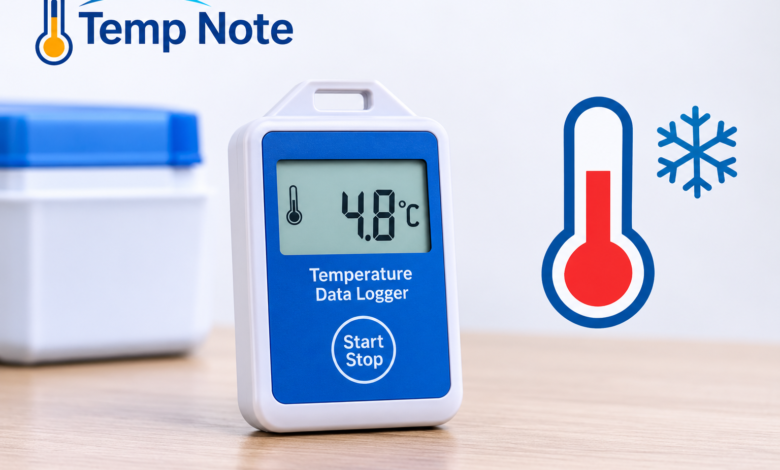
A temperature data logger is an electronic device designed to measure and record temperature at regular intervals. Depending on the model, it can store readings internally, transfer information through USB or Bluetooth, or provide real-time monitoring through wireless connectivity. Selecting the right device depends on the application, monitoring requirements, and environmental conditions.
Understanding the Importance of Temperature Monitoring
Temperature fluctuations can affect the quality and effectiveness of temperature-sensitive products. For example, pharmaceutical products and vaccines often require controlled storage and transportation conditions. Even a short period outside the recommended temperature range may create quality concerns.
Similarly, food products, chemicals, biological samples, and laboratory materials need reliable environmental monitoring. A suitable temperature data logger continuously records temperature information, helping organizations maintain visibility throughout their operations.
Businesses can use recorded data to review temperature conditions, investigate unexpected changes, and maintain documentation for quality management and regulatory requirements.
Key Features to Consider When Selecting a Temperature Data Logger
Finding the right monitoring device requires evaluating several important features.
1. Measurement Accuracy
Accuracy is one of the most important considerations when selecting a temperature monitoring device. A reliable logger should provide readings suitable for the required temperature range and application.
Businesses handling pharmaceutical products, vaccines, or laboratory samples should consider devices with appropriate measurement accuracy and calibration documentation. Regular calibration also helps maintain confidence in recorded measurements.
2. Temperature Measurement Range
Different industries operate under different temperature conditions. Standard cold chain applications may require monitoring between 2°C and 8°C, while frozen shipments and specialized pharmaceutical applications may need much lower temperature ranges.
Before purchasing a device, check its operating and measurement ranges to ensure it meets your monitoring requirements.
3. Data Storage Capacity
Storage capacity determines how many temperature readings a device can record before transferring or downloading the information.
For long-distance transportation and extended storage applications, sufficient memory is important. A logger with appropriate storage capacity can maintain a detailed temperature history throughout the monitoring period.
4. USB and Wireless Connectivity
Connectivity options influence how conveniently users can access recorded information.
USB temperature data loggers allow users to download stored readings directly to a computer. Bluetooth models provide wireless access over a short distance, while cellular-enabled devices can transmit information remotely.
The right option depends on whether the business needs occasional data downloads or continuous monitoring.
5. Real-Time Alerts and Notifications
Real-time temperature monitoring provides additional visibility during transportation and storage. Some advanced devices send alerts when temperatures move beyond predefined limits.
These notifications help logistics teams investigate potential problems quickly and take corrective action before product quality is compromised.
Applications Across Different Industries
The best temperature data logger depends on the industry and its specific monitoring requirements.
Pharmaceutical and Healthcare Industry
Pharmaceutical companies use temperature monitoring devices to protect medicines, vaccines, and other sensitive healthcare products. Monitoring helps verify whether products remain within their specified temperature limits during storage and distribution.
Data loggers also support documentation and temperature excursion investigations.
Food and Beverage Industry
Food manufacturers, distributors, and retailers need consistent temperature monitoring to support food safety and product quality. Temperature loggers can be used in refrigerated warehouses, transport vehicles, processing facilities, and distribution centers.
Recorded information helps businesses evaluate storage conditions and identify temperature variations.
Laboratories and Research Facilities
Laboratories frequently store biological samples, chemicals, and research materials under controlled environmental conditions. Temperature data loggers provide documented readings that help researchers monitor storage environments and maintain consistent conditions.
Cold Chain Transportation
Cold chain transportation involves moving temperature-sensitive products through multiple locations and handling stages. Temperature changes can occur during loading, unloading, transfers, and delivery.
Portable and real-time monitoring devices help logistics providers maintain temperature visibility throughout the journey.
Benefits of Using Advanced Temperature Data Loggers
Modern temperature monitoring technology offers several advantages for businesses.
- Improved Monitoring Accuracy: Reliable measurement helps businesses understand environmental conditions.
- Better Product Protection: Temperature records help identify potentially harmful fluctuations.
- Simplified Documentation: Downloadable reports support recordkeeping and quality management.
- Remote Visibility: Wireless connectivity allows users to monitor conditions from different locations.
- Faster Response: Temperature alerts help teams investigate excursions promptly.
- Operational Efficiency: Automated data collection reduces the need for repeated manual temperature checks.
These benefits make temperature data loggers valuable tools for organizations managing temperature-sensitive products.
Why Calibration Matters for Temperature Data Loggers
Even high-quality monitoring devices require regular calibration to maintain measurement reliability. Calibration compares a device’s readings against a recognized reference standard and identifies any measurement deviation.
For pharmaceutical storage, laboratories, and regulated supply chains, calibration records can support quality assurance and audit requirements.
Organizations should establish calibration schedules based on manufacturer recommendations, usage frequency, operating conditions, and applicable quality requirements. Working with an appropriately accredited calibration laboratory can provide additional confidence in measurement results.
How to Choose the Right Temperature Data Logger
Before selecting a device, businesses should evaluate their operational requirements carefully.
First, identify the temperature range that needs to be monitored. Next, determine whether the application requires single-use or reusable equipment. Consider the required recording interval, storage capacity, connectivity, battery life, and reporting format.
For international shipments, GPS tracking and real-time connectivity may provide useful additional visibility. For routine warehouse monitoring, a portable temperature and humidity data logger may be more appropriate.
It is also important to evaluate ease of use, calibration support, product reliability, and technical assistance. Comparing these factors helps businesses select a monitoring solution that meets their actual requirements rather than focusing only on the purchase price.
Choose Reliable Temperature Monitoring Solutions with Temp Note
Selecting the right monitoring equipment is an important step toward maintaining product quality throughout storage and transportation. From pharmaceutical shipments and vaccine distribution to food logistics and laboratory applications, dependable temperature monitoring helps businesses identify risks and maintain accurate records.
Temp Note offers temperature monitoring solutions designed for different cold chain and industrial applications. Its product range includes USB temperature data loggers, real-time temperature monitoring devices, temperature and humidity data loggers, and specialized monitoring solutions for sensitive shipments.
By evaluating measurement accuracy, connectivity, storage capacity, and calibration requirements, organizations can identify the best temperature data logger for their operations.