

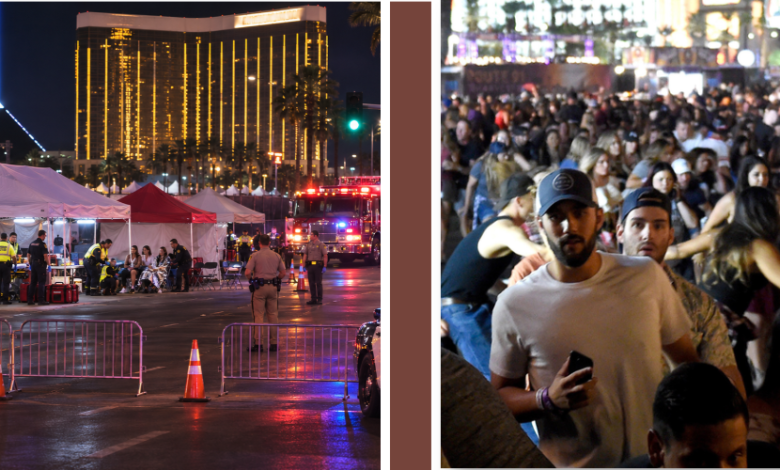
On October 1, 2017, thousands of country music fans gathered in Las Vegas for what should have been a joyful final night of the Route 91 Harvest Festival. Instead, the evening became one of the darkest in the city’s history. The Route 91 shooting took 60 lives, injured hundreds, and left survivors and families facing consequences that continue today.
The story also belongs to those who died, those who helped, and those still healing.
What Was the Route 91 Shooting?
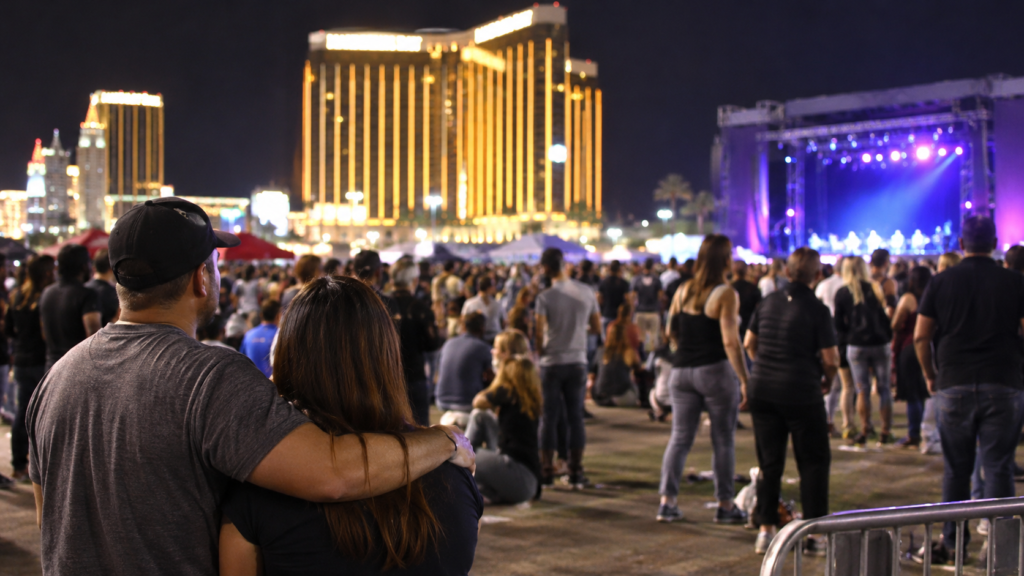
The Route 91 shooting was a mass shooting at the outdoor Route 91 Harvest country music festival near the Las Vegas Strip. More than 22,000 people attended the festival’s final evening. The attack came on the festival’s third and final night.
It remains the deadliest mass shooting by a lone gunman in modern U.S. history, according to the Las Vegas Metropolitan Police Department. It is also called the October 1 shooting.
What Happened That Night?
At approximately 10:05 p.m., while country singer Jason Aldean was performing, gunfire struck the festival crowd. The attacker fired from a room on the 32nd floor of the nearby Mandalay Bay hotel. The shooting lasted roughly 11 minutes, as terrified attendees searched for cover and tried to reach safety.
Some concertgoers helped the injured or guided strangers toward exits. Emergency responders arrived as the crisis unfolded. The gunman, Stephen Paddock, died by suicide in his hotel room before officers reached him.
How Many People Were Killed?
Sixty people died as a result of the shooting. Fifty-eight died in its immediate aftermath; two survivors later died from injuries connected to the attack, in 2019 and 2020. Hundreds were physically injured, including people struck by gunfire and others hurt while escaping the crowded venue.
Each death affected families and communities. Many people who escaped without physical injuries also carried lasting emotional wounds.
Remembering the Victims
The victims came from different backgrounds and included parents, partners, friends, and colleagues. Remembering their lives, rather than only a death toll, honors the relationships interrupted by violence.
One of those killed was Sonny Melton, who attended the festival with his wife, Heather. In reflections shared during the ninth anniversary in 2026, Heather spoke about carrying her grief and the importance of ensuring that those lost are not forgotten. Stories like hers give remembrance a deeply personal meaning.
The Survivors’ Experience
Some survivors faced lengthy medical recovery. Others struggled with anxiety, sleep disturbances, or grief. Even those without physical wounds could need emotional support.
Anniversaries, songs, or unexpected sounds can bring difficult memories back. Some find comfort in private reflection; others benefit from counseling, peer groups, or public remembrance. Healing remains personal, and support can be valuable long after news coverage fades.
Courage During the Emergency
Police officers, firefighters, paramedics, hospital workers, and ordinary concertgoers responded under extraordinary pressure. Attendees helped carry injured people, offered transportation, and stayed beside those needing assistance. Emergency departments treated large numbers of patients while medical teams worked to manage an overwhelming situation.
Their response highlighted the importance of emergency planning, rapid medical care, and cooperation at crowded public events.
What Did Investigators Find?
Local police and the FBI examined the shooter’s background, preparations, and possible motives. Investigators concluded that Stephen Paddock acted alone. The FBI’s behavioral analysis found no evidence that the attack was driven by a political or ideological cause and identified no single, clear motive.
The unanswered question remains painful. Verified findings matter more than rumors, and the attacker’s story should not overshadow the victims.
Memorials and Remembrance
The Las Vegas Community Healing Garden, opened on October 6, 2017, provides a peaceful place for reflection. Built with help from volunteers, it includes a remembrance wall, trees, flowers, and personal tributes. Its original 58 trees commemorate those who died immediately after the shooting, before the death toll rose to 60.
Annual ceremonies bring people together. In October 2026, organizers held a groundbreaking for the Forever One Memorial at the festival site, with an opening planned for 2027.
Support and Vegas Strong
The phrase Vegas Strong became a symbol of solidarity, reflected in continuing practical help. The former Vegas Strong Resiliency Center is now the Resiliency & Justice Center, which supports survivors of violent crime, including those affected by Route 91.
Its services include counseling referrals, peer support, legal assistance, and help navigating victim resources. The center also offers Route 91 support groups. For people who need help, the center can be reached at 702-455-2433. Continued care matters because trauma and grief do not follow anniversary dates.
Conclusion
The Route 91 shooting changed countless lives. Its legacy also includes people who rushed to help and families committed to remembering their loved ones. Honoring the 60 victims means supporting those who remain.
FAQs
When did the Route 91 shooting happen?
It happened on October 1, 2017, during the Route 91 Harvest Festival in Las Vegas, Nevada.
Where did the shooting take place?
The crowd was gathered at an outdoor festival venue near the Las Vegas Strip, across from the Mandalay Bay hotel.
How many people died?
The final recognized death toll is 60, including two people who died later from injuries related to the attack.
Was a motive ever established?
No. The FBI concluded that the attacker acted alone but did not identify a single clear motive.
How are victims remembered today?
Families and community members participate in memorial ceremonies, visit the Healing Garden, and support survivor-focused initiatives.
Must Read: Orthopedic Associates Denver: Everything You Need to Know
