Office dress has changed significantly over the past few decades. Suits and ties have given way, in many workplaces, to smart-casual clothing: tailored trousers, chinos, collared shirts, knitwear and neat layers. Corporate uniform programs in banking branches, property agencies, car dealerships, airlines, hotels and professional services have followed the same direction, replacing formal jackets with more flexible pieces.
At the same time, office environments have become harder to dress for. Air conditioning can make a summer office feel cold. Heating can make a winter office warm. Open-plan spaces may have drafty corners near doors and windows. Staff move between their desks, meeting rooms, client sites and outdoor commutes, often several times a day.
Layering has become the practical answer. This article explores how smart-casual layers, particularly vests and knitwear, help offices and corporate uniform programs keep staff comfortable and professionally presented throughout the year.
Understanding the Modern Office Environment
Temperature Variation
Many people find offices either too cold or too warm. Differences between individuals, workstation locations and building systems mean that one temperature rarely suits everyone.
Mixed Settings in One Day
A typical office worker may commute through cold streets, sit at a desk near an air vent, attend a warm meeting room and visit a client’s building. Each setting has its own temperature.
Professional Expectations
Despite relaxed dress codes, offices still expect staff to look neat and appropriate, especially in client-facing roles.
Hybrid Working
With many staff splitting time between home and office, clothing needs to be adaptable and comfortable as well as presentable.
The Role of Layering in Smart-Casual Dress
Adjusting Comfort Without Changing Outfits
Layers allow staff to adjust their warmth during the day without disrupting their appearance. A layer can be added in a cool meeting room and removed at a warm desk.
Maintaining a Polished Look
Well-chosen layers look intentional rather than improvised. A neat knit or smart vest over a shirt looks far more professional than a hoodie or coat worn indoors.
Supporting Individual Preferences
Layering gives staff some control over their comfort, which can reduce complaints about office temperature.
The Role of Knitwear
A Smart-Casual Staple
Knitwear has long been part of office dress. Sweaters and cardigans offer warmth with a refined appearance. They pair well with shirts, blouses and polo shirts and suit both formal and relaxed environments.
Cardigans for Flexibility
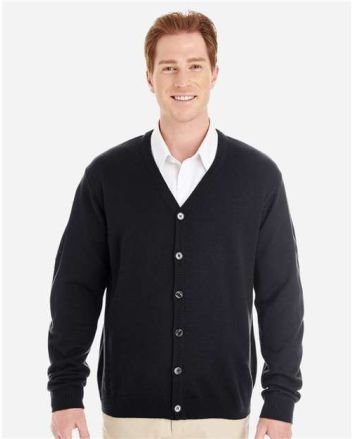
Cardigans are particularly practical in offices because they open fully. Staff can wear them buttoned for warmth or open for a lighter feel, and remove them easily without disturbing hair or collars.
Knitwear in Uniform Programs
Many corporate uniform programs include knitwear as a cold-weather option. Banks, hotel front desks, retail counters and airline ground teams often provide branded knitwear to keep staff warm while maintaining a consistent look. Organizations supplying these teams commonly source wholesale Cardigans in core corporate colors, sometimes adding a small embroidered logo, so every staff member has the same smart layer.
The Role of Vests
Core Warmth With a Clean Profile
Quilted vests have moved from outdoor wear into office and corporate settings. They provide core warmth without sleeves, which keeps them light and comfortable over shirts. Their clean shape looks smart and modern.
Popular in Certain Industries
Vests are especially common in finance, technology, real estate and sales, where they are often worn over collared shirts on cooler days. Many companies also give branded vests to staff as part of welcome packs or recognition programs.
Sourcing for Teams
Companies providing vests to staff typically buy wholesale puffer vest styles in neutral colors such as navy, charcoal or black, with a discreet logo on the chest. This creates a polished, consistent look across teams that suits both the office and the commute.
How Employees Experience Smart Layers
Comfort Through the Day
Employees appreciate being able to adjust their warmth without leaving their desk or looking unprofessional.
Confidence in Meetings
A well-chosen layer helps staff feel put-together in client meetings, presentations and video calls.
Practicality
Layers that are easy to remove, hang up or fold are popular. Staff often keep a knit or vest at their desk for cooler days.
Personal Style
Smart-casual layering allows some personal expression within professional boundaries.
How Managers and HR Teams Experience Layering
Reducing Temperature Complaints
Encouraging or providing layers can reduce friction over office temperature settings.
Supporting Dress Codes
Clear guidance on acceptable layers helps staff understand expectations. For example, managers may specify that knitwear and vests are acceptable, while hoodies are not.
Branding and Identity
Branded layers can strengthen company identity, especially in customer-facing roles.
How Customers and Clients Experience Staff Layers
First Impressions
Customers notice how staff present themselves. Coordinated, smart layers suggest professionalism and attention to detail.
Recognizing Staff
In banks, hotels and retail counters, uniform layers help customers identify staff easily.
Comfort Signals
Staff who look comfortable often appear more relaxed and approachable.
Layering Across Different Workplaces
Banks and Financial Services
Branch staff greet customers face to face and often work near entrances where drafts are common. Smart knitwear in corporate colors keeps them warm while maintaining a formal, trustworthy image.
Technology Companies
Tech offices often favor relaxed dress codes but still value a neat appearance for client meetings and events. Branded vests over shirts or fine-knit tops are popular, combining comfort with a modern look.
Hotels and Front Desks
Reception teams work in lobbies that can be warm in winter and cool in summer, with doors opening frequently. Knitwear and vests help them adapt quickly while staying presentable to guests.
Airlines and Travel Counters
Ground staff move between check-in desks, gates and sometimes outdoor areas. Layering lets them stay comfortable across these settings while keeping a recognizable uniform.
Car Dealerships and Showrooms
Sales teams often move between warm showrooms and outdoor forecourts. A smart vest or knit allows them to step outside with customers without needing a full coat.
Remote and Hybrid Considerations
Staff who split their week between home and the office often appreciate layers that work in both settings. A smart knit or vest looks professional on video calls and feels comfortable at home. Including such items in welcome packs or remote-working kits helps distributed teams feel connected to the organization.
Important Elements to Consider
Fabric
Fine-gauge knits and lightweight quilted fabrics look smart and layer easily. Natural fibers and blends often feel comfortable indoors.
Fit
Layers should sit neatly over shirts without bunching. Offering different fits for men and women improves appearance.
Color
Neutral and corporate colors coordinate easily with different shirts and trousers.
Branding
Discreet logos suit professional settings better than large graphics.
Care
Office layers should be easy to wash or maintain, as staff may wear them several times a week.
Practical Ways to Introduce Layering
Update Dress Code Guidance
Clarify which layers are acceptable and provide examples.
Offer Branded Options
Providing a vest or knit as part of a uniform or welcome pack encourages consistent, professional layering.
Consider Different Roles
Client-facing staff may need more formal layers than back-office teams.
Plan Seasonally
Order cold-weather layers before temperatures drop and air conditioning ramps up in summer.
Gather Feedback
Ask staff which layers they find most useful and comfortable.
Caring for Office Layers
Knitwear and quilted vests are worn often, so care matters. Fine knits last longer when washed gently or by hand and dried flat. Vests usually tolerate machine washing on a gentle cycle but benefit from low-heat drying to keep their fill even. Providing simple care cards with uniform items helps staff keep their layers looking smart for longer, which protects both the employee’s appearance and the organization’s investment.
Common Mistakes
Banning Practical Layers
Overly strict dress codes can leave staff cold and uncomfortable.
Allowing Overly Casual Layers
Hoodies and sports jackets may undermine a professional image in client-facing roles.
Ignoring Fit Diversity
Layers that fit poorly look untidy and discourage wear.
Inconsistent Colors
Mixed shades of uniform layers can make teams look disorganized.
Forgetting Summer Air Conditioning
Many offices feel colder in summer, when staff are dressed for warm weather outside.
Why Smart-Casual Layering Matters
Comfort affects concentration, mood and productivity. Smart-casual layering helps staff stay comfortable in variable office environments while maintaining a professional appearance. For organizations, it supports dress codes, strengthens brand identity and reduces friction over temperature.
Conclusion
Smart-casual layering has become an essential part of modern office and corporate dress. Knitwear such as cardigans offers warmth with a refined look and easy flexibility. Quilted vests provide core warmth with a clean, modern profile. Together, they help staff adapt to air conditioning, heating, commutes and client meetings.
By updating dress code guidance, offering branded layers, considering different roles and planning seasonally, organizations can help their teams stay comfortable and professionally presented throughout the year.
FAQs:
Q1:What layers are appropriate for smart-casual offices?
Knitwear such as cardigans and sweaters, along with smart quilted vests, are widely accepted over shirts and blouses.
Q2:Why are offices often cold in summer?
Air conditioning can make indoor spaces feel cool, especially for staff dressed for warm outdoor weather.
Q3:Are vests suitable for corporate uniforms?
Yes. Vests in neutral colors with discreet logos are popular in many corporate and client-facing settings.
Q4:How can companies keep uniform layers consistent?
Choose standard colors and styles, use the same logo placement and reorder from the same product lines.