

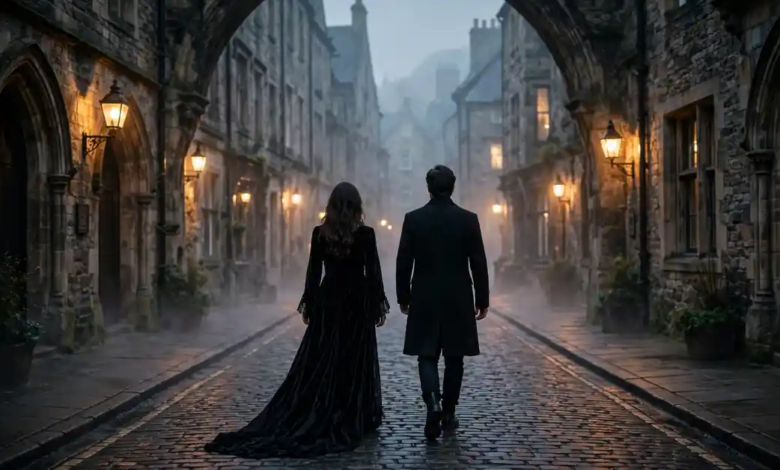
Gothic Fashion can look intimidating from the outside at first glance. The imagery is dramatic, the references run deep, and newcomers often assume total confidence is required. In practice, most people arrive at Gothic Fashion gradually, one single piece at a time.
This guide is for anyone curious about Gothic Fashion but unsure where to begin. It covers the first pieces worth buying and the common mistakes worth avoiding. It also shows how to find a version of the style that feels like your own.
No prior knowledge is needed, only a willingness to experiment slowly. The style rewards patience far more than it rewards a large budget. Start small, choose carefully, and let the wardrobe grow with you.
Start With What You Already Own
Before spending anything, look carefully at your existing wardrobe today. Most people already own the foundations of a gothic look at home. Black jeans, a dark shirt, and sturdy boots are usually enough to start.
Gothic Fashion works best when dark clothing is treated as a neutral canvas. A black shirt and black jeans can look unremarkable or quietly gothic. The difference often comes from one longer coat or a distinctive belt.
This is also the cheapest way to test whether the style suits you. Wear the darker version of your normal outfit for one full week. If it feels natural on you, then you already have your answer. If it feels forced, no new clothing will ever fix that problem.
The First Five Pieces
When you are ready to buy, five pieces cover most everyday situations. Choose them carefully, since you will reach for them daily. Quality matters far more here than quantity or brand names.
First, buy boots you can genuinely walk in all day long. Comfort matters more than height, hardware, or dramatic platform soles. A well-made pair of ankle boots gets worn far more often.
Second, choose a long coat or a well-cut jacket. Outerwear shapes the whole silhouette, so spend more on it. Third, pick a shirt with one interesting detail like a high collar.
Fourth, add dark trousers or a long skirt that fits well. Fifth, add one personal piece of jewellery to finish the outfit. Jewellery is often what turns dark clothing into true Gothic Fashion.
Mistakes Beginners Often Make
The most common mistake is buying everything all at once. A wardrobe from one shopping trip tends to look like a set. Its pieces match each other closely but never match the wearer.
Gothic Fashion is personal, and personality always takes time to show. A wardrobe that grows over months will always look more convincing. Rushing the process only produces outfits that feel like a costume.
Another mistake is confusing quantity with real commitment to style. Owning twenty black items does not make a style by itself. Owning five good pieces that fit well and work together does.
Texture and proportion matter more than the number of items owned. Velvet against leather creates contrast that plain black clothing cannot offer. A fitted top under a flowing coat balances the outfit.
Shopping Without Overspending
Gothic Fashion does not require expensive brands or designer price tags. Second-hand shops and vintage markets are among the best sources available. Older garments often have heavier fabrics and more unusual cuts.
A second-hand velvet jacket can carry more character than new clothing. A vintage lace blouse often looks better than a mass-produced alternative. Both usually cost only a fraction of the new price.
Independent makers are another good source for jewellery and accessories. Small workshops often produce more original designs than large retailers. Buying one considered piece monthly builds a better wardrobe slowly.
When shopping online, measurements matter more than size labels do. Size labels vary wildly between sellers, so always check them carefully. Fabric composition also deserves attention before you decide to buy.
Accessories and Comfort
Accessories let beginners experiment cheaply with very little financial risk. A belt with an unusual buckle can shift an outfit immediately. A deep burgundy scarf adds colour without breaking the dark palette.
Restraint matters here as much as it does with clothing. One or two distinctive accessories always work harder than five competing ones. A sculptural ring draws attention to the hands very effectively.
Comfort matters equally, since dramatic clothing must be lived in daily. Heavy boots and structured fabrics can look impressive but cause discomfort. A piece that restricts movement will stay unworn in the wardrobe.
Break boots in gradually, never debut them on a long day out. A coat should allow reaching, sitting, and walking without constant adjustment. Trying pieces on at home reveals problems mirrors cannot show.
Building Slowly, Letting It Evolve
A satisfying gothic wardrobe never needs to be assembled very quickly. Building it gradually lets personal preferences become clearer over time. A slower pace also reduces purchases made purely for short-lived novelty.
Versatile foundations are the most useful place to start building from. Comfortable boots, well-fitting trousers, and a dependable shirt work together well. More decorative pieces can then add variety to those foundations.
When assessing a new garment, always look beyond the first impression. Fabric, lining, fastenings, stitching, and care requirements all affect practicality. A dramatic design loses appeal if it is uncomfortable or poorly made.
Your first gothic wardrobe will not be your last one. Tastes change over time, and the style has room for that change. The useful question is whether each piece feels like you personally.
