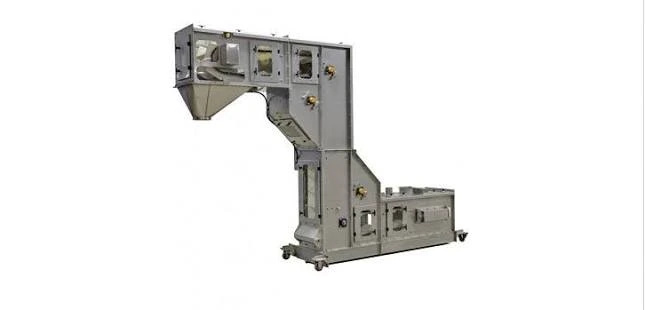
Planning an industrial material handling project involves more than choosing the right machinery. Understanding equipment prices, installation expenses, and long-term operating costs is essential for keeping a project within budget. A Bucket Elevator is a valuable investment for facilities that need to transport bulk materials vertically, but its final price can vary considerably depending on capacity, lifting height, construction materials, and operating requirements.
Whether you are upgrading an existing production line or installing a new conveying system, knowing what influences the cost helps you make a more informed purchasing decision. With suppliers such as Cementl offering solutions for industrial material handling applications, businesses can evaluate equipment options according to their technical requirements and available budgets.
What Determines the Price of a Bucket Elevator?
The price of a Bucket Elevator depends on several interconnected factors. Two systems designed for different production environments may have significantly different costs, even if they perform the same basic function. Understanding these variables makes it easier to compare quotations and identify the most suitable equipment for your facility.
Capacity and Lifting Height
Conveying capacity is one of the most important pricing factors. Equipment designed to handle a few tons of material per hour generally requires less substantial components than a system built for continuous, high-volume production. Higher capacity often means larger buckets, stronger drive components, and a more robust supporting structure.
Lifting height also affects the total cost. A taller elevator typically requires a longer casing, additional conveying components, and a drive system capable of handling the required load. For this reason, buyers should specify both the desired throughput and vertical conveying distance when requesting a quotation.
Construction Materials and Design
The materials used in manufacturing have a direct impact on equipment cost and service life. Standard steel construction may be suitable for many general industrial applications, while stainless steel or specialized wear-resistant materials can increase the initial investment.
A belt-driven Bucket Elevator may be economical for suitable materials and operating conditions. A chain-driven model can be more appropriate for heavier loads, abrasive materials, or demanding industrial environments. The choice should reflect actual process requirements rather than price alone.
Additional features, including dust-resistant enclosures, specialized buckets, explosion protection where required, and customized discharge arrangements, can also influence the final quotation.
Typical Bucket Elevator Cost Factors
There is no single price that applies to every Bucket Elevator. Small, standard-duty systems may cost substantially less than large, custom-engineered installations designed for continuous operation in cement plants or other heavy industries.
As a result, buyers should be cautious about comparing equipment prices without reviewing the specifications. A low-cost quotation might exclude the motor, gearbox, control panel, installation accessories, or other essential components. Another supplier may quote a higher amount because the package includes more complete equipment and technical support.
When comparing offers, request an itemized quotation that clearly identifies the included components, manufacturing specifications, warranty conditions, and delivery terms. This approach helps establish whether two suppliers are offering genuinely comparable systems.
Cementl can be considered when researching industrial material handling equipment for cement production and related applications. Buyers evaluating its offerings should confirm the available configurations, technical specifications, and project-specific pricing directly with the supplier.
Budgeting Beyond the Purchase Price
The initial equipment cost represents only part of the total project budget. Installation, transportation, electrical connections, structural modifications, and commissioning may add significantly to the overall investment.
For example, a replacement elevator that fits an existing structure may require less installation work than a new system that needs additional foundations or changes to the production layout. Similarly, equipment installed in a remote industrial location may involve higher transportation and commissioning expenses.
Operating costs deserve equal attention. Electricity consumption depends on the lifting height, material throughput, drive efficiency, and overall system design. Regular inspections, replacement buckets, belt or chain maintenance, and spare parts should also be included in the long-term budget.
A well-designed Bucket Elevator may have a higher purchase price but deliver better value through reduced downtime, easier maintenance, and a longer service life. Evaluating the total cost of ownership provides a more realistic picture than selecting equipment based solely on its initial price.
How to Choose the Right Equipment for Your Budget
The most effective way to control costs is to define your requirements before approaching suppliers. Determine the material type, bulk density, required capacity, lifting height, operating temperature, and expected working hours. These details help manufacturers recommend an appropriate design without unnecessary specifications.
Next, compare equipment options based on performance, durability, maintenance accessibility, and available technical support. Avoid paying for features your process does not require, but do not compromise on essential safety systems or components needed for reliable operation.
When contacting Cementl or another equipment supplier, provide clear project specifications and ask whether the quotation includes installation support, spare parts, warranty coverage, and commissioning assistance. This makes it easier to estimate the complete investment and avoid unexpected expenses later.
Conclusion
Understanding Bucket Elevator pricing requires a careful assessment of equipment specifications, construction materials, installation requirements, and long-term operating expenses. Capacity and lifting height influence the basic design, while specialized components and customization can increase the final cost.
Rather than choosing the cheapest option, focus on finding equipment that delivers dependable performance within your budget. By comparing detailed quotations and evaluating total ownership costs, businesses can make more confident purchasing decisions. Exploring suitable solutions from Cementl and discussing your application requirements with the supplier can be a practical starting point for planning an efficient and cost-effective material handling system.